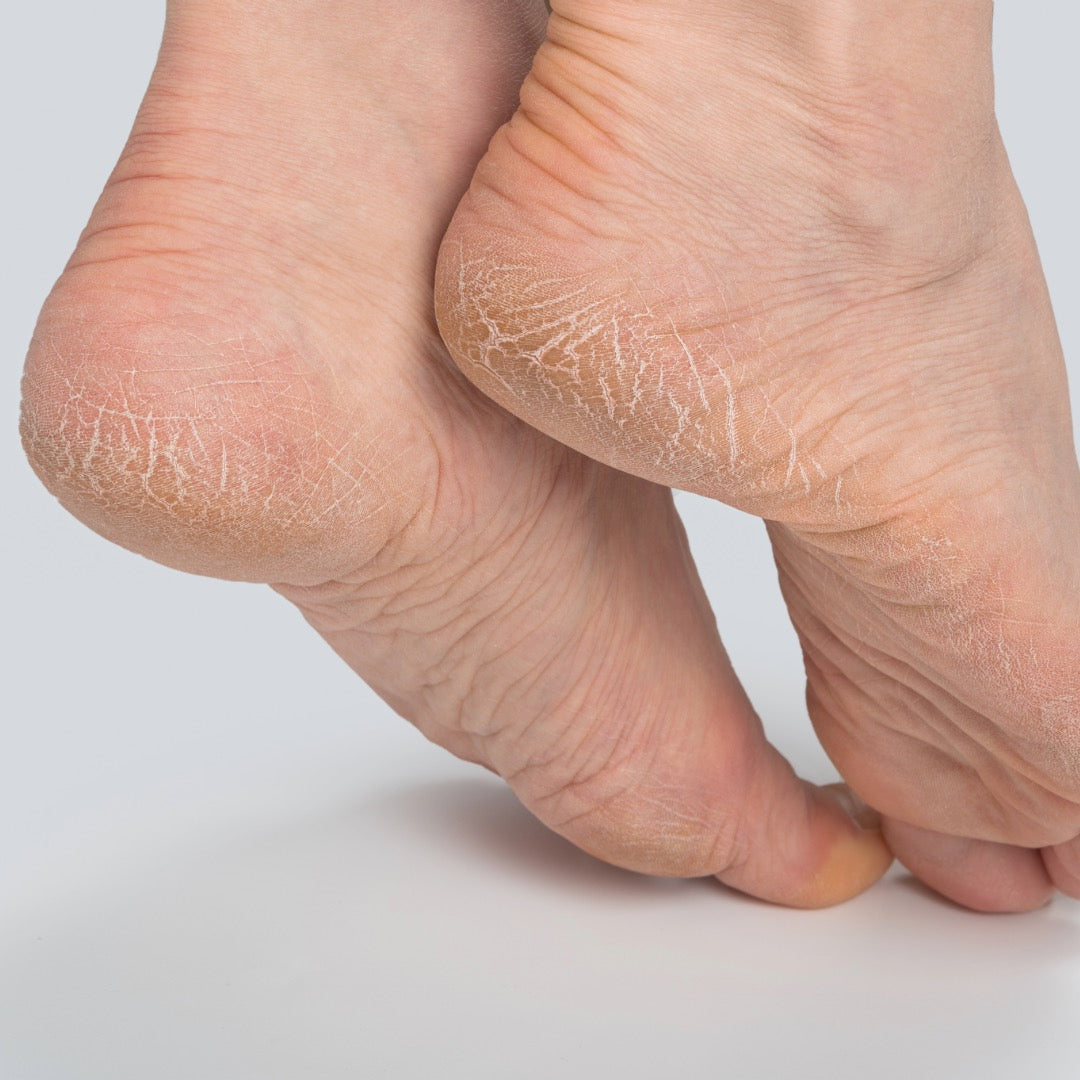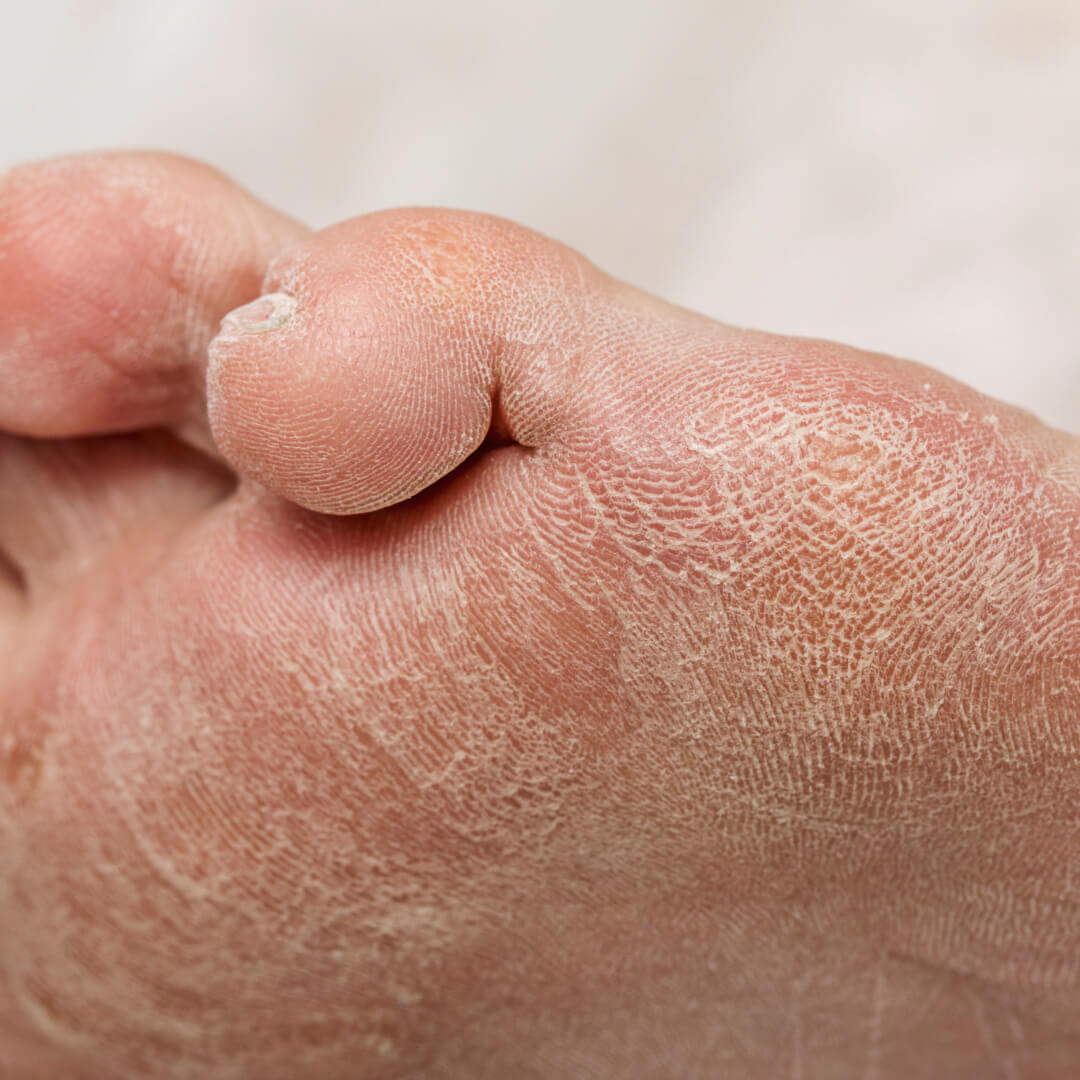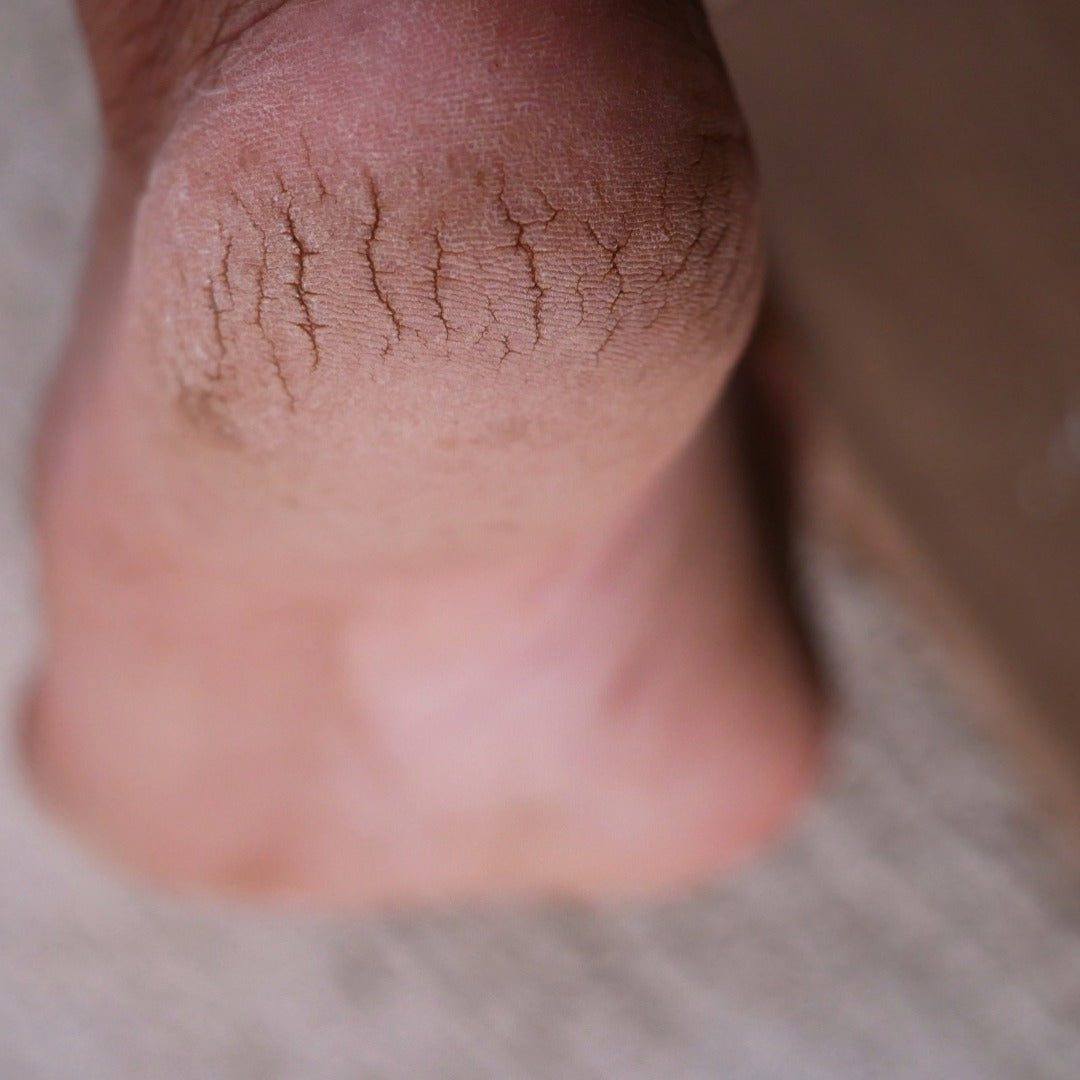


Many people with diabetes moisturize faithfully and still wake up to the same tight, dry, cracked feet every morning. This is not a failure of effort. It is a mismatch between the problem and the tool. Standard moisturizers and even urea creams address the surface — but the real cause of diabetic dry skin runs deeper. This guide explains why it happens, why the standard advice falls short, and what actually works.

For people with diabetes, a small crack in the skin is not a minor irritation — it is a potential entry point for bacteria, and neuropathy means many patients won’t feel it happening. This guide explains why daily cleansing is a medical step, not just hygiene, how to choose the right cleanser for fragile diabetic skin, and why pairing it with a barrier repair cream is the complete protocol.

Itchy, discolored skin on your lower legs isn't just a circulation problem — it's a warning sign with a clinical name and a serious escalation path. This guide explains what venous insufficiency does to your skin, why stasis dermatitis can progress to cellulitis and venous leg ulcers, and what daily skin barrier care can do to interrupt that progression.

Diabetic patients with peripheral neuropathy often cannot feel a cracked heel deepening — and that silence is the danger. This guide explains the two mechanisms behind neuropathic heel fissures (loss of protective sensation and anhidrosis), why standard moisturizers fall short for this specific skin deficit, and what daily skin care and professional monitoring should look like to prevent a small crack from becoming a serious wound.

If you have diabetes, even a minor cut or scrape can turn into a serious problem. Here's how to treat a wound properly, what warning signs to watch for, and how to protect the fragile skin around it.

You’ve tried the oils, the creams, the overnight treatments. They work for a few hours — then you wash your hands and you’re back where you started. For cuticles that peel, crack, and bleed no matter what you put on them, the problem isn’t effort. It’s that standard products weren’t built for what your skin barrier is actually missing. This guide covers every cause, the warning signs that need attention, and what treatment actually needs to do to break the cycle.

40% urea creams are commonly used for cracked heels, but are they safe for diabetic skin? This in-depth guide explains how urea works, its limitations, and safer treatment approaches for people with diabetes.

Cracked skin that heals slowly is a common frustration for people with diabetes. This guide explains why healing is delayed and what truly helps restore the skin barrier safely.

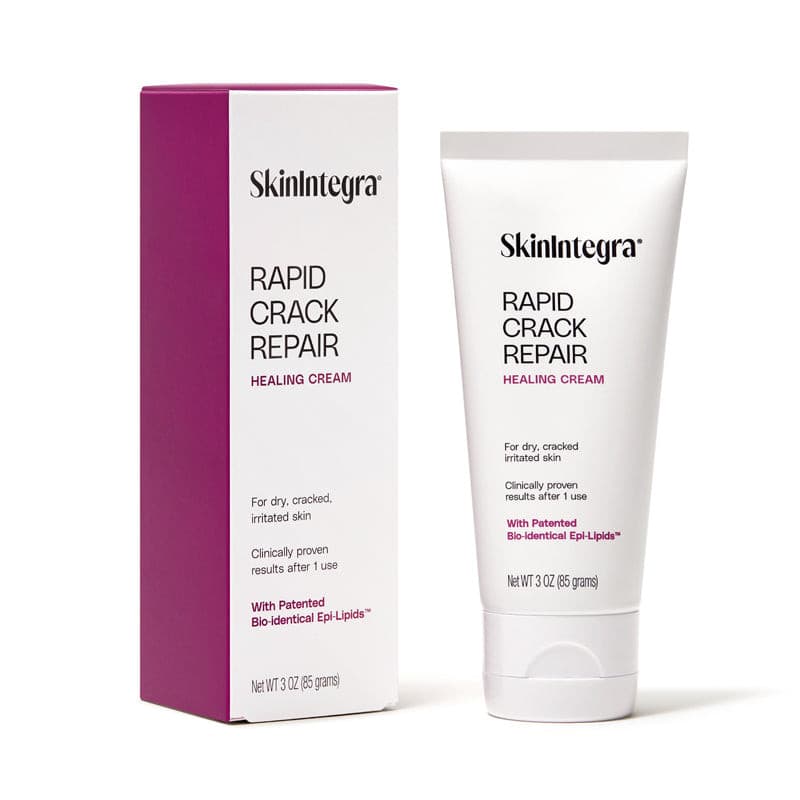
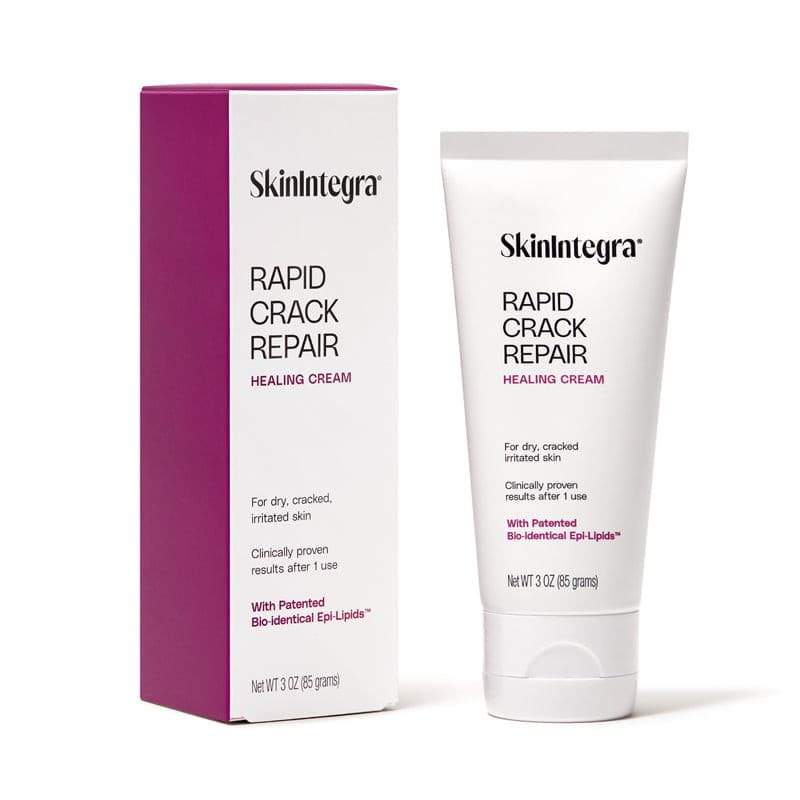
Dry, cracked feet are a constant struggle for people with diabetes. Social media tempts many with DIY “baby‑soft” foot peel booties, but these products rely on strong acids that can burn already fragile skin. Nerve damage and poor circulation often mask pain and slow healing, turning small injuries into ulcers or infections. The article explains how alpha and beta hydroxy acids work, why they’re especially risky for diabetic feet, and why experts advise against at‑home peels. Instead, it offers practical daily care tips, stresses the importance of podiatrist‑led callus removal, and introduces SkinIntegra® Rapid Crack Repair Cream as a safe, clinically proven alternative.

Itchy, cracked skin from lymphedema is more than a nuisance—it’s a warning sign. When swelling, dryness, and fragile skin combine, even a small scratch can become a pathway to cellulitis. This guide explains why it happens, what to avoid, and how to protect and soothe your skin with gentle, effective care.

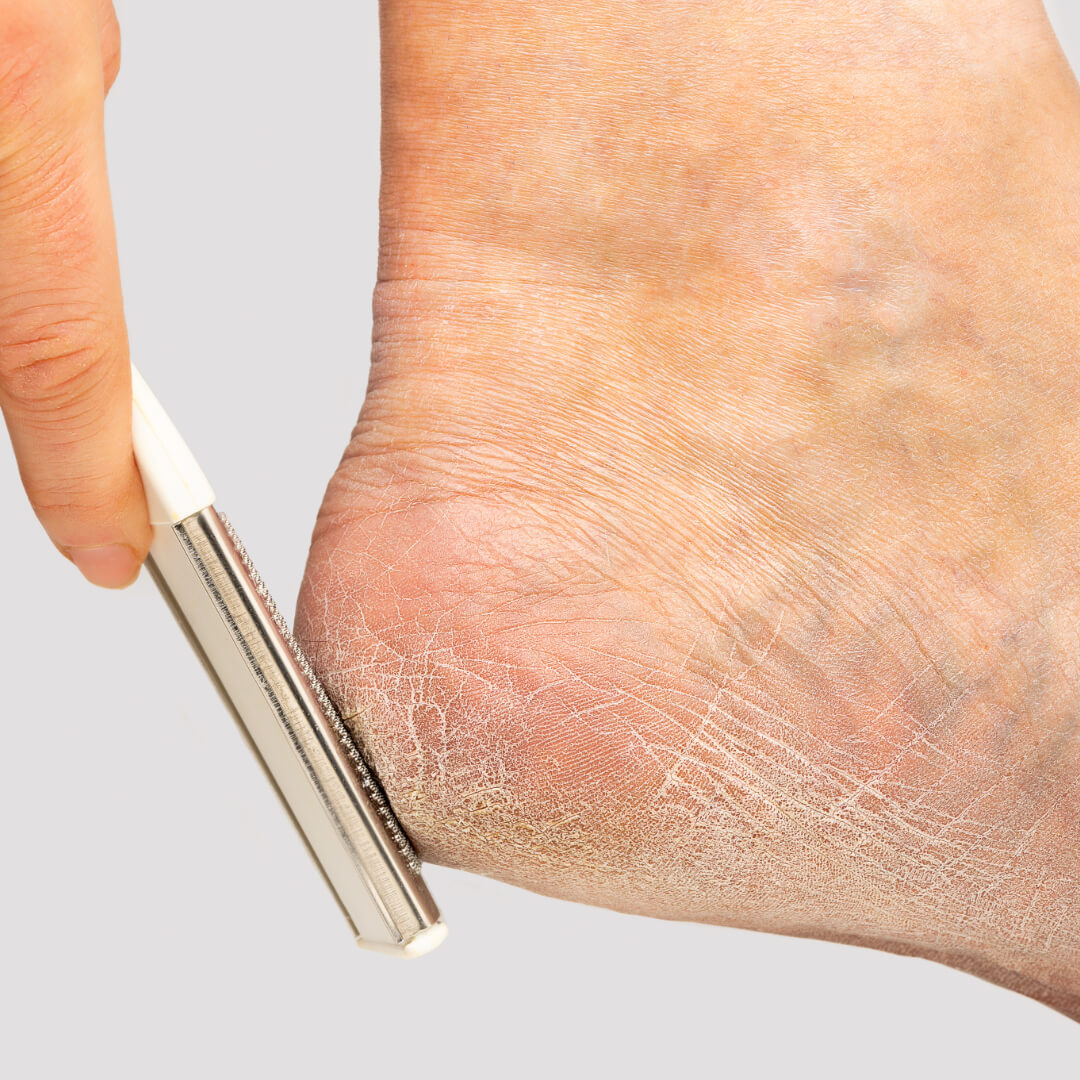
Callus shavers and cheese‑grater foot files might look like a quick fix, but for people with diabetes they can cause tiny cuts, invite infection and make calluses grow back thicker. This guide unpacks the hidden risks of DIY callus removal, explains why diabetic feet need extra caution and offers safer options—like professional debridement, gentle urea‑based creams and SkinIntegra® Rapid Crack Repair Cream—to keep your feet healthy.

Your doctor said no. The product label says consult a physician. But the wellness article you just read says Epsom salt can help with circulation. For people with diabetes, the conflicting advice is real — and so is the risk. Epsom salt foot soaks weaken the skin barrier and raise infection risk in diabetic feet, regardless of whether neuropathy is present. This guide explains the clinical mechanism, addresses the contradictions, and covers what actually protects diabetic feet instead.

You’ve been putting Vaseline on your heels for months. They keep cracking. Here’s the reason—and why diabetic skin needs more than an occlusive to heal.

Wondering how long your diabetic foot ulcer will take to heal? Most ulcers heal in 6-20 weeks, but the timeline depends on depth, circulation, and care. Learn what to expect at each healing stage, which products help, and how to protect your skin after recovery.

Maybe you noticed one nail thickened a few months ago and put it down to age. Or the changes accumulated slowly until you started to wonder what they meant. For people with diabetes, toenail changes — brittleness, thickening, discolouration, skin cracking around the edges — are signals worth acting on early. This guide explains every cause, what the warning signs of escalation look like, and what daily nail care actually needs to do to protect the skin around the nail.

Cracked heels can lead to infection—especially for people with diabetes. Learn the signs, explore common treatments like mupirocin or silver, and discover how SkinIntegra can help prevent complications.

After menopause, cracked heels can become more common—and more painful. Learn what’s behind the dryness and what treatments restore your skin fast.

Hot weather can make dry, cracked feet worse—especially for people with diabetes. This guide shares tips to help you care for your feet all summer long, prevent skin breakdown, and stay comfortable and active.

Learn why the skin barrier is essential in diabetic foot care and how SkinIntegra® offers a biomimetic, clinically proven solution for repair and protection.

Scar prevention is one of the most overlooked aspects of podiatric wound care—yet it holds immense power to improve patient outcomes. The first two weeks after suture removal are critical. For patients with dry, diabetic, or high-risk skin, this window determines whether the healing skin becomes strong and resilient—or rigid, painful, and vulnerable to breakdown.

Let’s unpack the full significance of Diabetes Alert Day and why fighting diabetes-related amputations should be a top priority for patients, caregivers, and healthcare systems alike.

This article outlines the importance of routine diabetic foot assessments, standard examination protocols, and an at-home foot care guide for people with diabetes.

In this article, we’ll explore why frequent hand washing causes painful cracked hands, how healthcare workers can prevent and treat this issue, and when to seek medical help. By implementing these skin care strategies, you can maintain proper hygiene while keeping your hands healthy and comfortable.

For years, many people with diabetes have been told to avoid pedicures — and have quietly stopped going, while their feet got harder to manage. The answer to whether you can get a pedicure isn’t simply yes or no. It’s yes, if you know what to ask for. This guide explains what actually makes a pedicure risky for diabetic feet, what makes one safe, and what to do between visits to protect your skin every day.

You’ve been using the antifungal. It helps for a while — then the itch comes back, the skin stays rough, and you’re back where you started. For people with diabetes, clearing athlete’s foot takes more than an antifungal cream. This guide explains why, how urea cream works alongside antifungal treatment, and what the correct sequence is — including how long to wait between applications.


Is urea or lactic acid better for cracked heels? Compare their benefits, risks, and best concentrations—especially for diabetic or sensitive feet.


Summer is a time for fun in the sun, but it can also be a challenging season for your feet. Hot weather, increased outdoor activities, and wearing open-toed shoes can all contribute to the dreaded problem of cracked heels. With the right summer foot care routine and a few essential tips and tricks, you can prevent dry heels and keep your feet looking and feeling great. This comprehensive guide will help you achieve healthy summer feet.

You’ve been moisturizing. Your feet are still peeling — and there’s no itch, no obvious wound, nothing that looks serious. For people with diabetes, that quiet uncertainty is worth paying attention to. Peeling skin on diabetic feet has several distinct causes, and the absence of symptoms isn’t always reassuring. This guide covers every cause, what the no-itch presentation means specifically, and what actually addresses the root cause.

You've tried the lotions. The itch keeps coming back — sometimes on your legs, sometimes everywhere, sometimes with no visible cause at all. For people with diabetes, persistent itchy skin has several distinct causes, and the right response depends on which one you're dealing with. This guide covers all of them: the barrier breakdown, the neuropathic itch, the fungal infections that standard creams can't fix — and what actually addresses the root cause.


You finally get into bed. Then your feet start. The itching that was barely noticeable during the day becomes impossible to ignore the moment the distractions disappear — and for people with diabetes, that timing is not a coincidence. Nighttime foot itching is one of the earliest signs that nerves and skin barrier are under stress. This guide explains the three mechanisms behind it, why standard creams often fall short, and what daily skin care actually needs to do.


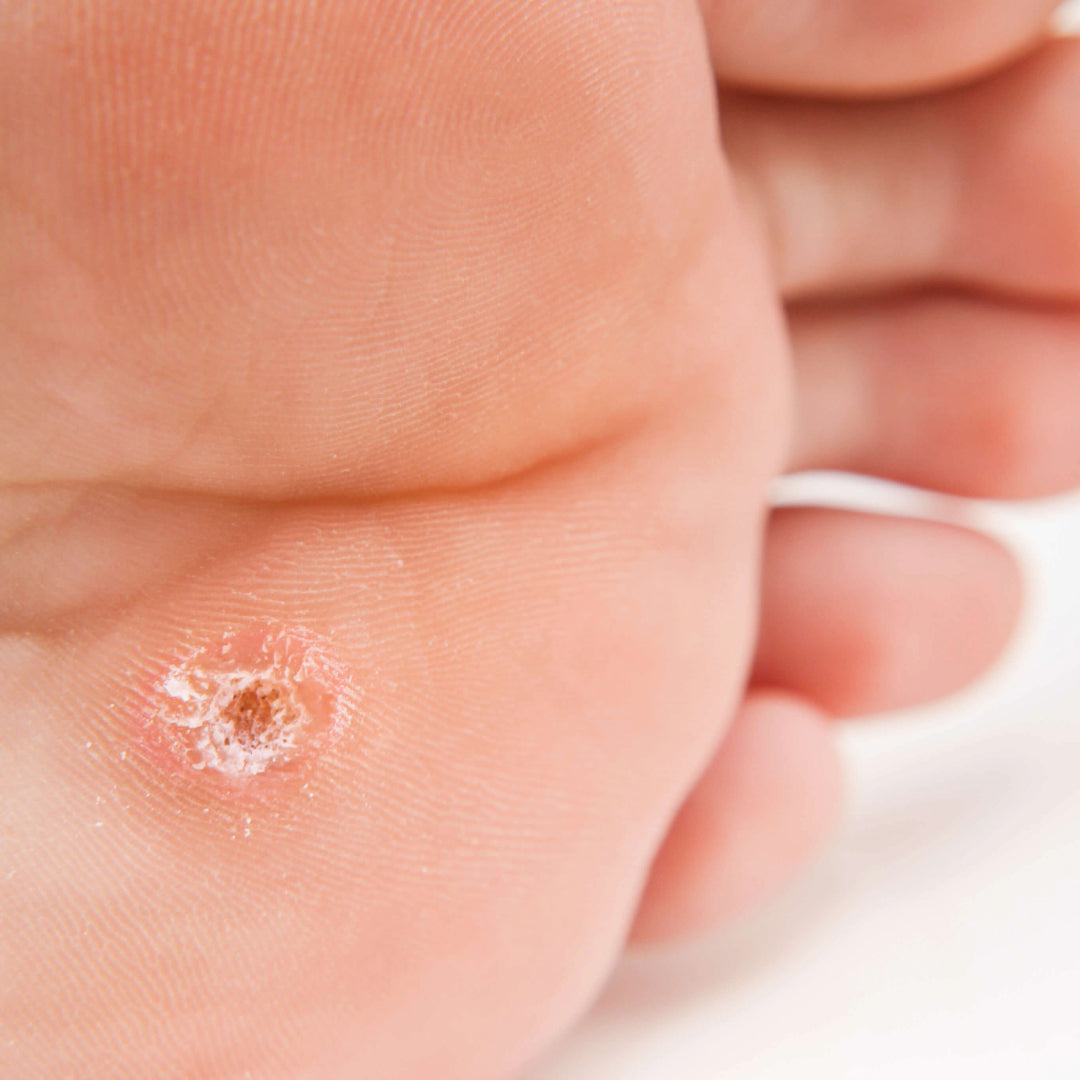
Salicylic acid may seem like a solution for calluses, but it’s risky for diabetic skin. Learn why — and discover safer alternatives that actually work.

You’ve tried the creams and the pumice stone. The cracks keep coming back. If you’re starting to wonder whether the answer is in what you’re eating, it’s a reasonable instinct. This guide covers which vitamin and mineral deficiencies are most directly linked to cracked heels, how to recognize them, and why nutritional support alone often isn’t enough — and what the skin barrier needs alongside it to actually repair.

Diabetic foot calluses can lead to serious complications if not managed properly. Learn how to treat and prevent them safely, what to do after debridement, and which barrier-repair creams actually work.

You keep moisturizing. The cracks keep coming back — splitting open mid-task, painful enough to stop you in your tracks, resistant to everything you’ve tried. Standard advice says apply more cream. For many people, that’s not the whole answer. This guide covers every cause of cracked fingertips, why some cases resist standard care, and what treatment actually needs to do for skin that won’t heal on its own.


Psoriasis cracked heels can be painful and stubborn to heal—especially if you have diabetes. Learn how to repair fissures fast, prevent flare-ups, and protect your feet.


Bleeding cracked heels can be painful and risky—especially for people with diabetes. Learn what causes heel fissures, how to treat them safely at home, and why clinically tested barrier repair creams like SkinIntegra may offer faster, gentler healing compared to traditional urea-based products.

Pedicures can be safe for people with diabetes—with the right precautions. This guide shares seven essential tips for enjoying a pedicure without putting your foot health at risk.


If your feet have been getting drier since your diabetes diagnosis, that’s not a coincidence. Learn what dry diabetic feet signal, how to spot early warning signs, and how to treat them safely.

Cracked heels and split fingers can be painful, especially when they resist healing. Discover expert tips and the best skin barrier cream to restore your skin.