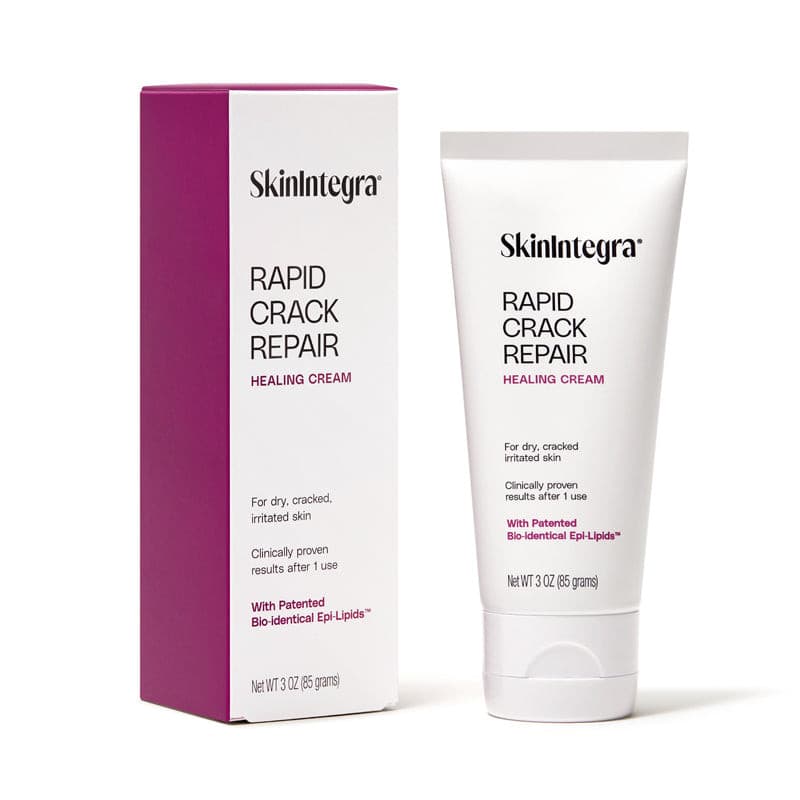


Callus shavers and cheese‑grater foot files might look like a quick fix, but for people with diabetes they can cause tiny cuts, invite infection and make calluses grow back thicker. This guide unpacks the hidden risks of DIY callus removal, explains why diabetic feet need extra caution and offers safer options—like professional debridement, gentle urea‑based creams and SkinIntegra Rapid Crack Repair Cream—to keep your feet healthy.

Maybe you noticed one nail thickened a few months ago and put it down to age. Or the changes accumulated slowly until you started to wonder what they meant. For people with diabetes, toenail changes — brittleness, thickening, discoloration, skin cracking around the edges — are signals worth acting on early. This guide explains every cause, what the warning signs of escalation look like, and what daily nail care actually needs to do to protect the skin around the nail.

For years, many people with diabetes have been told to avoid pedicures — and have quietly stopped going, while their feet got harder to manage. The answer to whether you can get a pedicure isn’t simply yes or no. It’s yes, if you know what to ask for. This guide explains what actually makes a pedicure risky for diabetic feet, what makes one safe, and what to do between visits to protect your skin every day.