

A split in the thickened skin on the ball of your foot is a break in the outer barrier, in the place that takes your full weight. Why the forefoot splits differently from the heel, why the pain matters more than the discomfort, when a dark mark means stop, and why gluing it shut goes wrong.

Cracked heels that keep returning are not a treatment failure — they are a sign that the callus and the cause underneath were never addressed. Here is why the cycle repeats, what your own condition has to do with it, and how to keep your heels from cracking again.

Social media promises baby-soft feet from a $6 set of booties. On a foot with diabetes, the acids that deliver that can burn skin you may not feel burning — and a small chemical burn on a neuropathic foot is not a small problem. This guide covers how foot peel acids work, why reduced sensation and slow healing change the risk, and what safer callus care actually looks like.

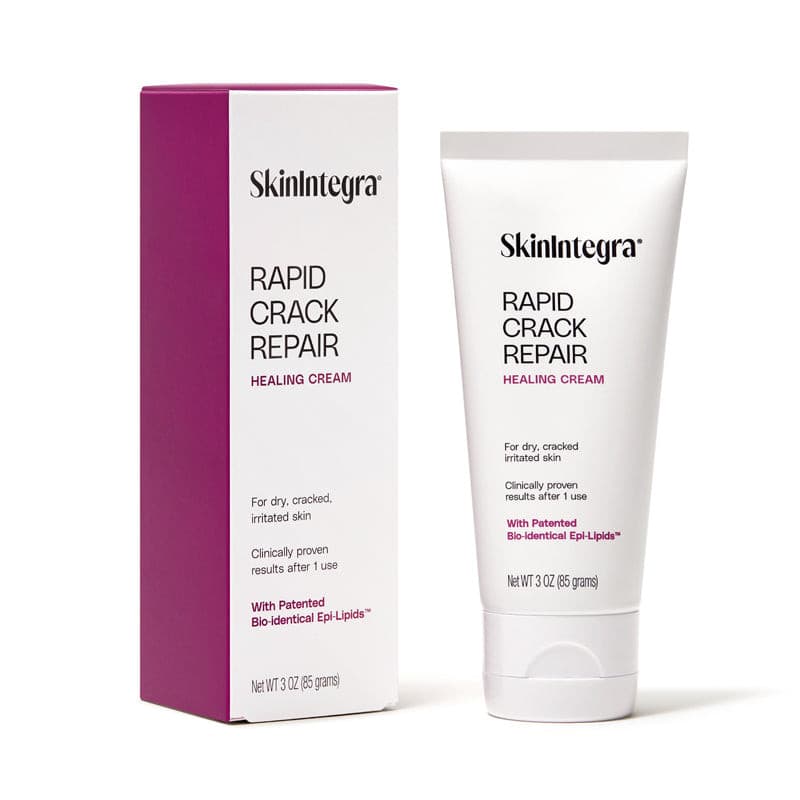
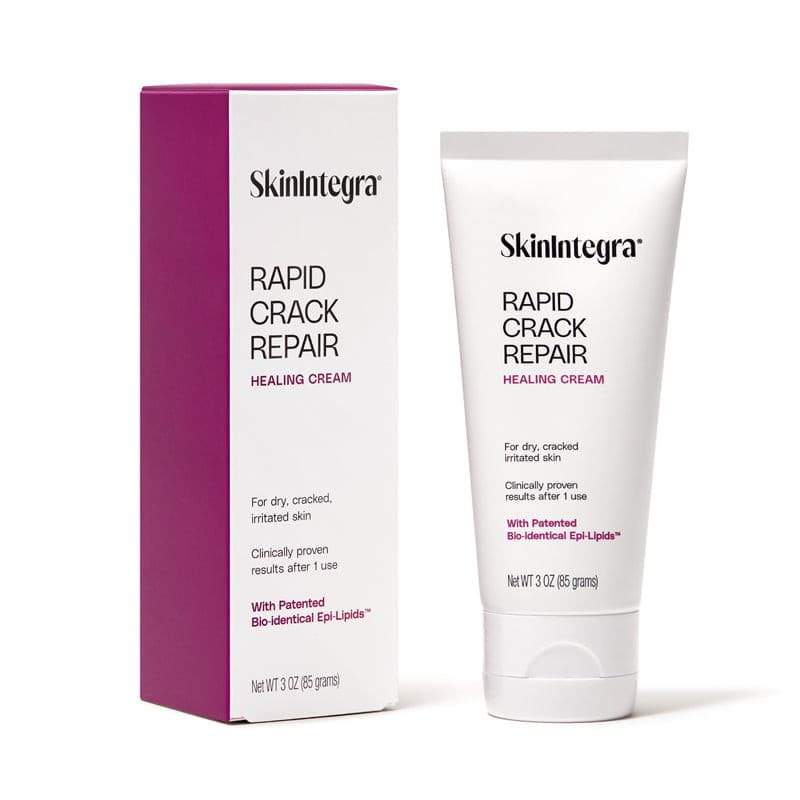
Callus shavers and cheese‑grater foot files might look like a quick fix, but for people with diabetes they can cause tiny cuts, invite infection and make calluses grow back thicker. This guide unpacks the hidden risks of DIY callus removal, explains why diabetic feet need extra caution and offers safer options—like professional debridement, gentle urea‑based creams and SkinIntegra Rapid Crack Repair Cream—to keep your feet healthy.

You grip something every day — a steering wheel, a garden tool, a jar lid — and the skin answers by thickening. Then one day the hard patch splits at the edge. Here is why hand calluses keep coming back, how to soften them safely, and what to leave alone if you have diabetes or less feeling in your hands.

You picked up a callus pad at the drugstore. The warning is there, in small print, if you know to look. Here’s what it says, why it matters for diabetic feet, and what to use instead.

Diabetic foot calluses can lead to serious complications if not managed properly. Learn how to treat and prevent them safely, what to do after debridement, and what to look for in a cream between podiatry visits.