


For most people, athlete’s foot is an inconvenience — itchy, annoying, and easily treated with an over-the-counter cream. For people with diabetes, it is something else entirely. The same fungal infection that a healthy person clears in two weeks can, in a diabetic patient, breach a compromised skin barrier, invite bacterial co-infection, and escalate toward cellulitis, ulceration, or worse — often before any pain is felt, because peripheral neuropathy masks the warning signs.
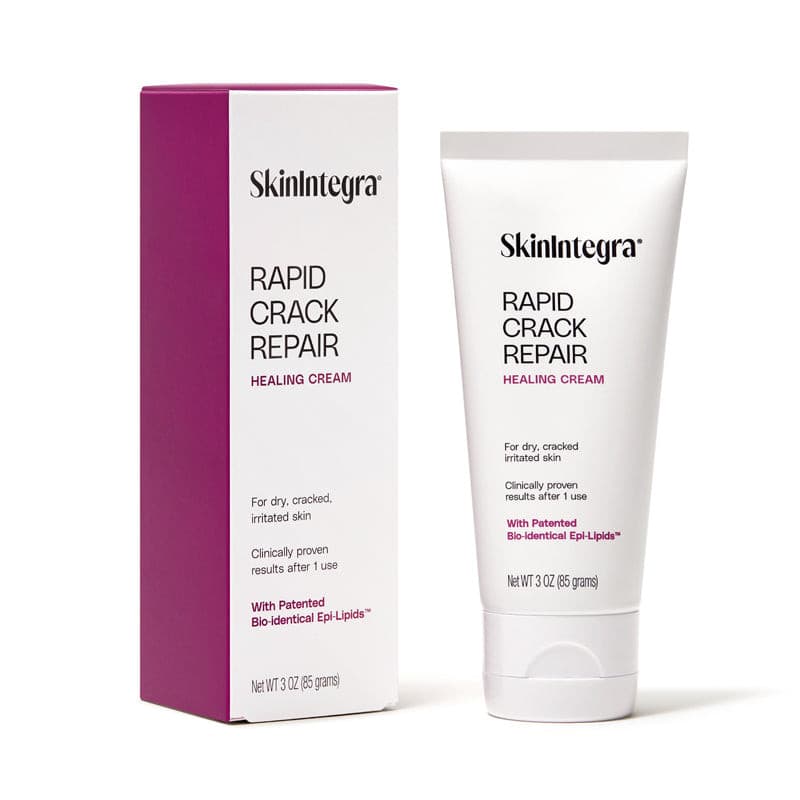
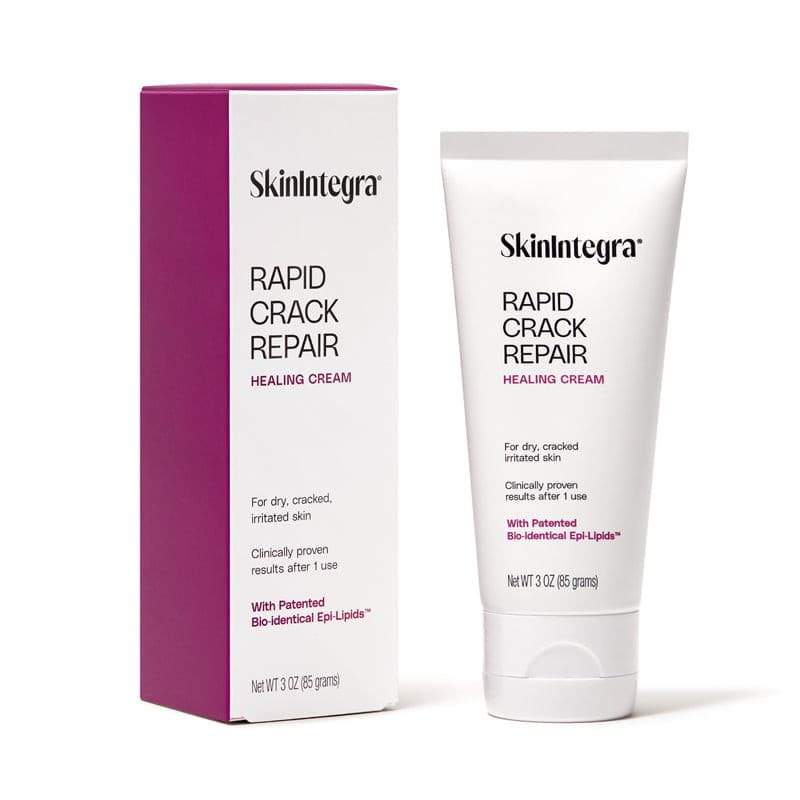
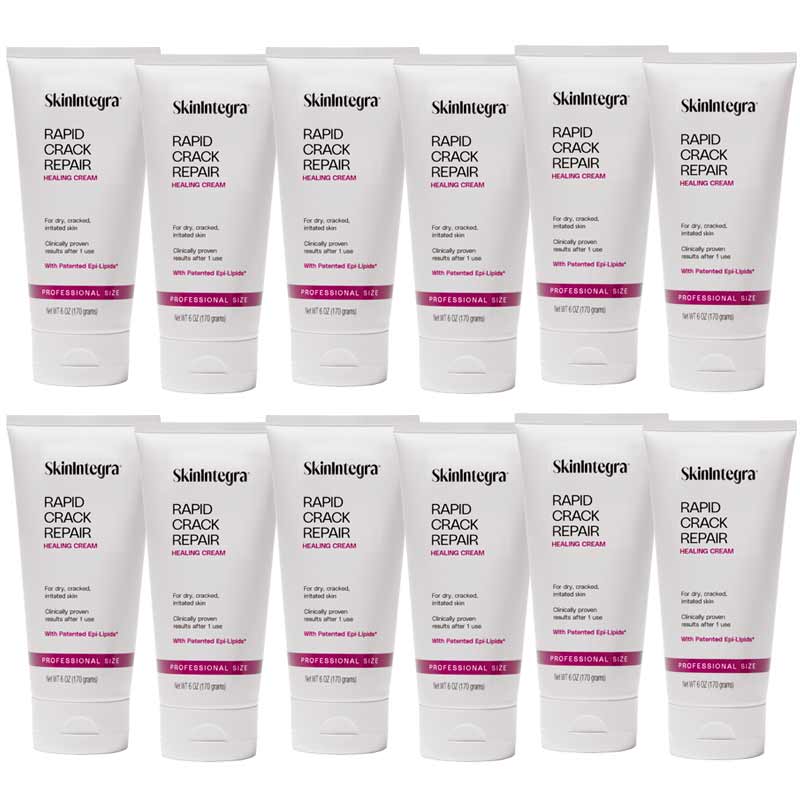
This guide explains why standard antifungal treatment alone is not enough for diabetic feet, how urea cream works alongside antifungal medication to clear infection and restore the skin barrier, and what the correct application sequence is. If you want to get started immediately, SkinIntegra Rapid Crack Repair Cream is the only urea cream clinically tested specifically on diabetic skin, with independent lab results showing 99% elimination of common bacteria and fungi in under one minute.
Why Athlete’s Foot Is Especially Dangerous for People with Diabetes
Tinea pedis — the dermatophyte fungus that causes athlete’s foot — feeds on keratin in the outer skin layer. In healthy skin, this process is uncomfortable but contained. In diabetic skin, three physiological changes turn a surface infection into a serious risk:
1. The skin barrier is already compromised
Diabetes depletes the ceramides, natural moisturizing factors, and structural lipids that hold the skin barrier together. This means the skin’s first line of defense against fungal and bacterial invasion is weakened before the infection even begins. Dermatophytes find a faster entry point, and the infection spreads more easily into deeper tissue layers.
2. Reduced sensation masks progression
Peripheral neuropathy affects up to 50% of people with long-term diabetes. It means cuts, cracks, blisters, and spreading infections may cause little or no pain. Many patients with diabetic athlete’s foot do not seek treatment until the infection has already advanced significantly — not because they ignored it, but because they did not feel it.
3. Circulation deficits slow healing and immune response
The immune cells, oxygen, and nutrients required to contain and clear an infection travel through the bloodstream. In diabetic patients, peripheral arterial disease and microvascular damage slow this delivery to the feet. A fungal infection that a healthy immune system would contain in days can persist for weeks or months in diabetic tissue, giving bacteria an opportunity to enter through fungal-damaged skin.
The consequence chain: athlete’s foot → skin barrier breakdown → bacterial entry → cellulitis → ulceration → hospitalization. This progression is preventable at every stage, but it requires treating the infection and the barrier — not just the infection alone. The American Diabetes Association recommends prompt care for any skin changes including fungal infections — see the ADA foot care guidelines.
For more on how diabetes affects skin barrier integrity, see: Why skin barrier repair is essential in diabetic foot care.
What Type of Athlete’s Foot Do You Have?

The type of infection determines how urea cream fits into your treatment plan. Urea is particularly critical for one specific presentation that is disproportionately common in diabetic patients:
Interdigital (most common): Scaling, maceration, and cracking between the toes. The damp, broken skin between toes is a primary bacterial entry point in diabetic feet.
Moccasin: Dry, thickened, scaly skin covering the sole and heel. Antifungal creams cannot penetrate the hyperkeratotic layer without urea to break it down first. Most persistent cases in diabetic patients are this type.
Vesicular: Blisters on the sole or top of the foot. In diabetic patients, blisters require immediate podiatric assessment — do not attempt to drain them at home.
If you are unsure which type you have, or if blisters are present, see a podiatrist before beginning treatment. Neuropathy means blistering infections can be more advanced than they appear.
Why Antifungals Alone Are Not Enough
Standard antifungal creams — clotrimazole, terbinafine, miconazole — work by disrupting the fungal cell membrane. They are effective when they reach the fungus. The problem in moccasin-type athlete’s foot, which is common in diabetic patients, is that the hyperkeratotic (thickened) skin layer creates a physical barrier the medication cannot penetrate at adequate concentrations.
Urea solves this. As a keratolytic agent, urea breaks down the dense bonds between dead skin cells, softening the thickened outer layer and allowing antifungal medication to reach the viable tissue where dermatophytes are active. Applied first, urea effectively primes the skin so the antifungal can work.
The second problem antifungals do not address is barrier repair. Even after the fungus is eliminated, the damaged skin barrier remains vulnerable to reinfection. Without active barrier restoration — rebuilding ceramides, replenishing natural moisturising factors — the conditions that allowed the initial infection to establish itself persist. This is why athlete’s foot recurrence is so common, particularly in people with diabetes.
How Urea Cream Works in Fungal Infection Treatment
Urea is a naturally occurring molecule in the skin’s Natural Moisturising Factor (NMF) — the system of compounds that keeps the stratum corneum hydrated and functional. Diabetes depletes NMF components including urea and lactic acid, which is part of why diabetic skin is chronically dry and vulnerable to infection.
In the context of athlete’s foot treatment, urea performs three distinct clinical functions:
-
Keratolytic action: at concentrations of 20–40%, urea loosens corneocyte adhesion — the bonds holding dead skin cells together. This breaks down the hyperkeratotic layer where dermatophytes shelter, exposing the infection to antifungal medication.
-
Humectant function: urea draws water into the stratum corneum and binds it there, restoring moisture levels in skin that diabetes has chronically dehydrated. Hydrated skin is more elastic and less prone to the cracking that provides fungal and bacterial entry points.
-
Penetration enhancement: by softening and hydrating the outer skin layer, urea measurably increases the penetration depth of topically applied medications. Studies show urea pretreatment improves antifungal drug delivery to the viable epidermis where active infection resides.
Clinical note: Higher urea concentration is not better for diabetic skin. 40% urea is aggressive and can cause irritation, fissuring, and barrier damage in already-compromised tissue. The optimal range for diabetic patients is 20–25%, which provides full keratolytic benefit without the irritation risk. See: Is 40% urea too strong for diabetic skin?
How to Use Urea Cream and Antifungal Cream Together
The application sequence matters. Applying antifungal cream first, over unexfoliated skin, reduces its effective penetration and limits how well it reaches the infection. The correct order is:
-
Wash feet with lukewarm water and a mild, fragrance-free cleanser. Pat dry thoroughly, especially between the toes — moisture trapped between toes creates the environment dermatophytes thrive in.
-
Apply urea cream to the affected area and surrounding skin. Allow 10–15 minutes for the keratolytic and softening action to work before applying the antifungal. This is the window the urea needs to begin loosening the surface layer.
-
Apply antifungal cream directly over the urea-treated area. The softened skin now allows the active antifungal ingredient to penetrate to the viable tissue where the infection is active.
-
Put on clean, moisture-wicking socks. Cotton or wool — not synthetic. Breathable footwear immediately after application.
How long to wait between urea cream and antifungal cream
The recommended window is 10–15 minutes. This allows the urea to soften the keratin layer without fully absorbing into the skin, keeping the surface primed for the antifungal application. Applying both simultaneously reduces the keratolytic benefit. Waiting longer than 30 minutes is not harmful but is also not necessary.
Apply morning and evening for the full treatment course. Continue the antifungal for at least two weeks after symptoms have visibly cleared — dermatophytes persist in deeper tissue after surface symptoms resolve, and stopping early is the primary cause of recurrence.
Special considerations for diabetic feet
-
Inspect the treated area daily in good light. Neuropathy means pain is not a reliable indicator of infection progression — visual inspection is your primary monitoring tool.
-
Do not use physical exfoliants, pumice stones, or foot files on diabetic skin. Urea provides chemical exfoliation without the micro-trauma that physical tools cause in neuropathic feet where injury may go unfelt.
-
Do not soak feet before treatment. Prolonged soaking weakens the barrier further and increases maceration risk, particularly between the toes.
-
Avoid Epsom salt soaks — these strip the barrier and deepen the dryness cycle. See: Epsom salt foot soaks and diabetes.
-
Avoid salicylic acid-based callus treatments alongside this protocol — salicylic acid is contraindicated for diabetic skin. See: Why salicylic acid is unsafe for diabetic skin.
The Right Urea Cream for Diabetic Feet

Not all urea creams are formulated for diabetic skin. General-purpose urea creams often contain fragrances, alcohols, or petroleum-based ingredients that irritate already-compromised tissue. For diabetic patients managing athlete’s foot, the urea cream needs to do more than exfoliate — it needs to actively rebuild the barrier that diabetes and the infection have degraded.
SkinIntegra Rapid Crack Repair Cream was developed by Erika Tazberik, a former Johnson & Johnson formulation chemist, after her husband — a person with diabetes — developed serious foot complications that standard products failed to address. The formula targets the specific deficiencies that diabetes creates in skin:
-
25% urea and lactic acid — provides the keratolytic and humectant action needed for athlete’s foot treatment at a concentration proven safe and effective for diabetic skin
-
Ceramides and essential fatty acids — replenish the structural lipid matrix that diabetes depletes, actively rebuilding barrier integrity rather than just sitting on the surface
-
Hyaluronic acid — draws and retains moisture in chronically dehydrated diabetic tissue
-
Fragrance-free, dye-free, paraben-free, petroleum-free — no common irritants or occlusive agents that increase maceration risk in fungal-affected skin
In an independent double-blind clinical trial, SkinIntegra outperformed 40% urea in both speed and tolerability. 100% of diabetic participants showed measurable improvement within 24 hours. In a separate lab study, the formula eliminated 99% of common bacteria and fungi in under one minute — a result directly relevant to preventing the bacterial co-infections that make athlete’s foot dangerous in diabetic patients.
“As a podiatrist, I’m always looking for products that truly help my patients maintain healthy skin. SkinIntegra has been amazing. I’ve recommended it to many of my patients who struggle with dry skin on their feet, and the results have been excellent.”
— Cynthia Correa, Podiatrist (verified review)
SkinIntegra carries the APMA (American Podiatric Medical Association) Seal of Approval and is used post-debridement by podiatrists across the U.S.
Preventing Athlete’s Foot Recurrence in Diabetic Feet
The recurrence rate for athlete’s foot is high even in healthy patients. In diabetic patients, a compromised barrier means reinfection can occur as soon as antifungal treatment stops if the underlying conditions are not addressed. Long-term prevention requires both infection control and consistent barrier maintenance:
-
Continue daily urea barrier-repair cream for at least four weeks after the infection clears, and indefinitely as part of daily diabetic foot care. A maintained barrier is significantly more resistant to fungal entry than untreated diabetic skin.
-
Keep your feet as dry as possible. Moisture-wicking socks, breathable footwear, and thorough drying after washing are the primary environmental controls.
-
Use antifungal powder or spray in footwear. Dermatophytes survive on shoe surfaces and recontaminate the foot if the shoe environment is not treated alongside the skin.
-
Never walk barefoot in communal areas — gyms, pools, changing rooms. This is the primary transmission route.
-
Maintain blood sugar control. HbA1c directly influences the skin’s ability to synthesize and retain the barrier lipids that resist fungal and bacterial infection. Skin barrier integrity is a downstream outcome of glycaemic management.
-
Annual comprehensive foot exams are recommended for all people with diabetes — more frequently for high-risk patients with previous ulcers, significant neuropathy, or peripheral artery disease.
See also: Safe pedicure for diabetic feet | Preventing diabetic foot ulcers
When to See a Podiatrist
For people with diabetes, the threshold for professional care is lower than for the general population. See a podiatrist promptly if you notice:
-
No improvement after 7–10 days of consistent urea and antifungal treatment
-
Any blister, open sore, or area of broken skin — do not attempt home treatment
-
Signs of spreading infection: redness extending beyond the initial area, warmth, swelling, or discharge
-
Numbness, tingling, or any change in sensation in the affected area
-
Darkened skin, discoloration, or any wound that is not healing
Athlete’s foot that does not respond to OTC antifungals may require prescription oral antifungals (terbinafine or itraconazole), which a podiatrist or dermatologist can prescribe. Oral treatment is often necessary for moccasin-type infections where topical agents cannot penetrate adequately even with urea pretreatment.
Frequently Asked Questions
Is urea cream good for athlete’s foot?
Yes, particularly for diabetic patients and for moccasin-type (dry, thickened, scaly) infections. Urea breaks down the hyperkeratotic skin layer where dermatophytes shelter, allowing antifungal medication to penetrate to the active infection. It also restores barrier hydration and begins rebuilding the skin’s structural lipid layer. Used alone, urea does not kill fungus — it must be combined with an antifungal agent.
Does urea kill athlete’s foot fungus?
No. Urea is a keratolytic and humectant — it softens thickened skin and retains moisture, but it does not have direct antifungal activity. Its value in treating athlete’s foot is that it removes the physical barrier of hyperkeratotic tissue that prevents antifungal creams from reaching the infection. The antifungal agent does the killing; urea ensures the antifungal can get there.
Can you use moisturizer after antifungal cream?
Yes, but the sequence matters. Apply urea cream first, wait 10–15 minutes, then apply antifungal cream. Applying the moisturizer after the antifungal dilutes the active ingredient and reduces its concentration at the infection site. The urea-first sequence also allows the keratolytic effect to prime the skin before the antifungal is applied, improving penetration.
How long to wait between antifungal cream and moisturizer?
If applying urea cream first (the correct sequence), wait 10–15 minutes before applying the antifungal. This gives the urea time to begin softening the keratin layer. If you are applying a separate moisturizer after the antifungal for a different reason, wait at least 30 minutes to avoid diluting the active ingredient.
Is urea antifungal?
Not directly. Urea does not kill fungal organisms. However, by breaking down the hyperkeratotic skin layer where fungi survive, and by restoring the skin barrier that fungi exploit, urea plays a critical supporting role in antifungal treatment. Some research also suggests urea may have mild fungistatic properties at higher concentrations, but this is not its primary mechanism in athlete’s foot treatment.
How long should I treat athlete’s foot if I have diabetes?
Continue antifungal treatment for at least two weeks after symptoms have visibly cleared. Dermatophytes persist in deeper tissue after surface symptoms resolve, and stopping early is the primary cause of recurrence. Continue daily urea barrier-repair cream for at least four weeks post-infection, and ideally as a permanent part of daily diabetic foot care to maintain the barrier integrity that prevents reinfection.
What if I see peeling or blisters on my feet?
If you have diabetes, see a podiatrist. Blistering in diabetic feet can indicate vesicular athlete’s foot, but it can also indicate a pressure injury, allergic reaction, or early-stage foot complication. Neuropathy means blisters may be more advanced than they appear and less painful than expected. Do not attempt to drain blisters at home.


