


If you have diabetes and your feet are itching at night, this is not a symptom to wait out. Nighttime foot itching is one of the earliest and most commonly overlooked signs of peripheral neuropathy — nerve damage that, left unaddressed, can progress to loss of protective sensation, unnoticed wounds, and serious infection. For everyone else, itchy feet at night most often point to dry skin, a fungal infection, or an allergic reaction — each requiring a different approach. This guide explains how to identify the cause and find the right treatment, with specific guidance for people with diabetes throughout.
What Causes Itchy Feet at Night?
The cause of your nighttime foot itching determines the correct treatment. These are the most common explanations, starting with the one that carries the most serious consequences if missed:
-
Peripheral Neuropathy (Nerve Damage): Nerve damage — most commonly caused by diabetes — produces abnormal sensations including itching, burning, and tingling in the feet, typically worse at night when distractions are removed. Because the nerves that regulate normal sensation are impaired, the brain generates an itch signal with no visible skin change. This is the most important cause to identify early, and the one most often dismissed as 'just dry skin.'
-
Autonomic Neuropathy and Diabetic Dry Skin: Diabetes also damages the autonomic nerves controlling sweat glands in the feet. When those nerves fail, the feet lose their natural moisture production — regardless of how much water you drink or how humid the environment is. The result is chronically dry, itchy skin that standard moisturisers cannot fully address. See our full guide on understanding dry diabetic feet for a detailed explanation of this mechanism.
-
Dry Skin: The soles of the feet have fewer oil glands than most other areas of the body, making them naturally prone to dryness. Hot showers, harsh soaps, low humidity, and cold weather all strip moisture from the skin, and the warmth of bedding at night raises skin temperature and activates itch receptors. For most people, this is the most common cause — and the most straightforward to treat.
-
Fungal Infections (Athlete's Foot): Athlete's foot thrives in warm, moist environments — shoes, socks, and shared floors. Itching is typically accompanied by peeling, redness, and scaling between the toes. For people with diabetes, the stakes are higher because elevated blood sugar creates conditions where fungi thrive and infections spread more readily. Read our guide on treating athlete's foot safely with urea and antifungal cream for the most effective treatment approach, especially for diabetic skin.
-
Allergies and Contact Dermatitis: Reactions to dust mites, certain fabrics, shoe materials, or laundry detergents can cause red, itchy feet — sometimes with swelling or small blisters.
-
Eczema (Atopic Dermatitis): A chronic inflammatory skin condition causing dry, itchy patches that often flare at night. Easily mistaken for a fungal infection.
-
Psoriasis: Causes rapid skin cell turnover, producing red, scaly patches on the soles and sides of the feet that itch intensely when lying down.
-
Medications: Certain blood pressure drugs, diuretics, and statins can cause skin itching as a side effect. If itching started around the time you began a new medication, speak with your prescribing provider.
Are Itchy Feet a Symptom of Diabetes?
Yes — and this is one of the most under recognized connections in foot care. According to the Mayo Clinic, diabetic neuropathy symptoms are often worse at night and can include tingling, burning, and itching in the feet. Diabetes contributes to nighttime foot itching in several compounding ways:
-
Peripheral Neuropathy: Prolonged high blood sugar damages the peripheral nerves, causing abnormal sensations — including itching — that are typically worse at night when distractions are removed.
-
Autonomic Neuropathy and Dry Skin: Diabetes damages the nerves controlling sweat glands in the feet, reducing natural moisture production and leaving skin chronically dry and itchy. For more detail, see our full guide on understanding dry diabetic feet.
-
Poor Circulation: Reduced blood flow slows skin cell renewal and healing, leaving skin more fragile and reactive to irritation.
-
Higher Susceptibility to Fungal Infections: Elevated blood sugar creates an environment where fungi thrive, making people with diabetes more prone to recurrent athlete’s foot and the itching it causes. Our guide on diabetes and itchy skin covers these mechanisms in detail.
Important for People with Diabetes: If your feet itch at night and you have diabetes, do not wait for a visible rash or wound before seeking care. Neuropathy and early skin breakdown can be present without obvious symptoms. Contact your podiatrist if nighttime itching is persistent or unexplained.
Itchy Feet at Night with No Rash: What Does It Mean?
When feet itch at night but there is no visible rash, redness, or skin change, the most likely explanations are peripheral neuropathy, internal dryness, or a systemic condition such as kidney or liver disease. This presentation is a particularly important warning sign for people with diabetes, as it can indicate nerve damage requiring a clinical evaluation. It can also result from certain medications or nutritional deficiencies — see our article on vitamin deficiencies that cause cracked heels and itching for more detail. If no-rash itching persists beyond two weeks, see a healthcare provider rather than relying solely on home remedies.
Home remedies for soothing itchy feet at night
For mild to moderate itching without an underlying medical condition, these approaches can bring relief:
-
Moisturize Before Bed: Apply a barrier repair cream containing ceramides, urea, or hyaluronic acid immediately after washing and drying your feet. Moisturizing on slightly damp skin seals in more hydration. For people with diabetes, use a fragrance-free formula specifically formulated for sensitive skin.
-
Cool Compress: Apply a cool, damp cloth to itchy areas for 5–10 minutes to reduce inflammation and numb the itch. Avoid hot water, which strips moisture and worsens dryness.
-
Foot Soak Caution: Colloidal oatmeal added to a warm foot bath can soothe irritated skin for the general population. However, people with diabetes should avoid prolonged soaking, which softens and weakens vulnerable skin. Read our article on Epsom salt foot soaks and diabetes to understand why soaking is not recommended for diabetic feet and what safer alternatives exist.
-
Aloe Vera Gel: Pure, fragrance-free aloe vera applied to itchy skin provides cooling, anti-inflammatory relief. Apple cider vinegar and tea tree oil are sometimes suggested but can irritate sensitive or diabetic skin — use with caution and dilute well.
Over-the-Counter Treatments for Nighttime Foot Itching
-
Antifungal Creams: If athlete’s foot is suspected — particularly with peeling between the toes — use an OTC anti-fungal cream containing clotrimazole or miconazole for 2–4 weeks. For diabetic patients, pairing an antifungal with a urea-based moisturizer produces better outcomes than antifungal alone, as it addresses both the infection and the underlying skin barrier damage. See our full guide on treating athlete’s foot with urea and antifungal cream.
-
Hydrocortisone Cream (1%): For itching caused by eczema, contact dermatitis, or general inflammation, a short course of 1% hydrocortisone cream can reduce itch and redness. Avoid applying to broken skin and do not use for extended periods without medical supervision.
-
Oral Antihistamines: Useful when itching is allergy-related. A non-drowsy option during the day (e.g., cetirizine) or a mildly sedating antihistamine at night can help reduce itching and improve sleep.
-
Urea-Based Creams: Urea at 10–25% concentration is one of the most effective ingredients for dry, itchy feet. It works as both a humectant and a gentle keratolytic, drawing moisture into the skin while softening dead skin buildup. It is particularly effective for diabetic dry skin. Note: 40% urea can irritate fragile diabetic skin — for sensitive or diabetic feet, 25% is the recommended ceiling.
-
Avoid Salicylic Acid Products: Many callus removers and foot peels contain salicylic acid. For people with diabetes, these are not safe — salicylic acid can cause chemical abrasion and unnoticed wounds. Read our article on why salicylic acid is unsafe for diabetic skin before using any exfoliating foot product.
Best Cream for Itchy Feet at Night
The itch that comes from autonomic neuropathy and diabetic dry skin cannot be resolved with a standard moisturizer. The problem is structural: diabetes depletes the ceramides, fatty acids, and natural moisturizing factors that form the skin's protective barrier. A cream that sits on top of the skin addresses none of those deficiencies. What diabetic skin needs is a barrier-repair formulation — one that replenishes the specific components the skin is missing.
Look for these ingredients in a barrier-repair cream for diabetic feet:
-
Urea (10–25%): Replenishes one of the natural moisturizing factors that diabetes depletes, while acting as a keratolytic to soften thickened skin. At 25%, it penetrates the compromised stratum corneum where standard moisturizers cannot reach. Concentrations above 40% can irritate fragile diabetic skin.
-
Ceramides and essential fatty acids: Rebuild the structural lipid matrix of the skin barrier — the components that hold moisture in and keep pathogens out. Diabetes and neuropathy both erode this matrix, and standard creams do not replace it.
-
Hyaluronic acid: Draws and retains moisture in chronically dehydrated tissue.
-
Lactic acid: A gentle exfoliant that also improves moisture retention and complements the action of urea.
-
Fragrance-free, dye-free, paraben-free, petroleum-free: Common irritants and occlusive agents worsen itching in sensitive or compromised diabetic skin.
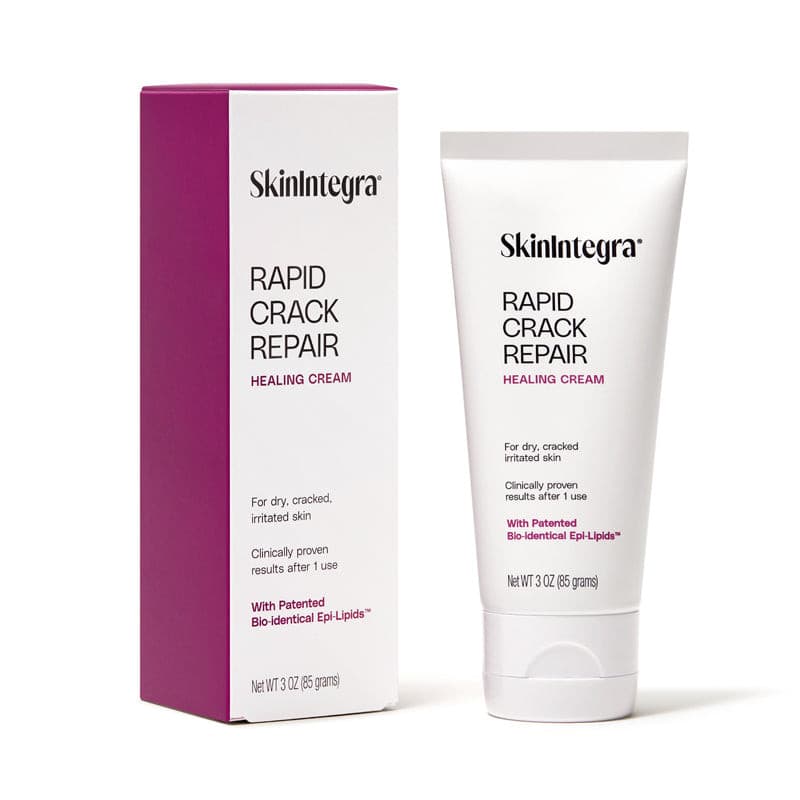
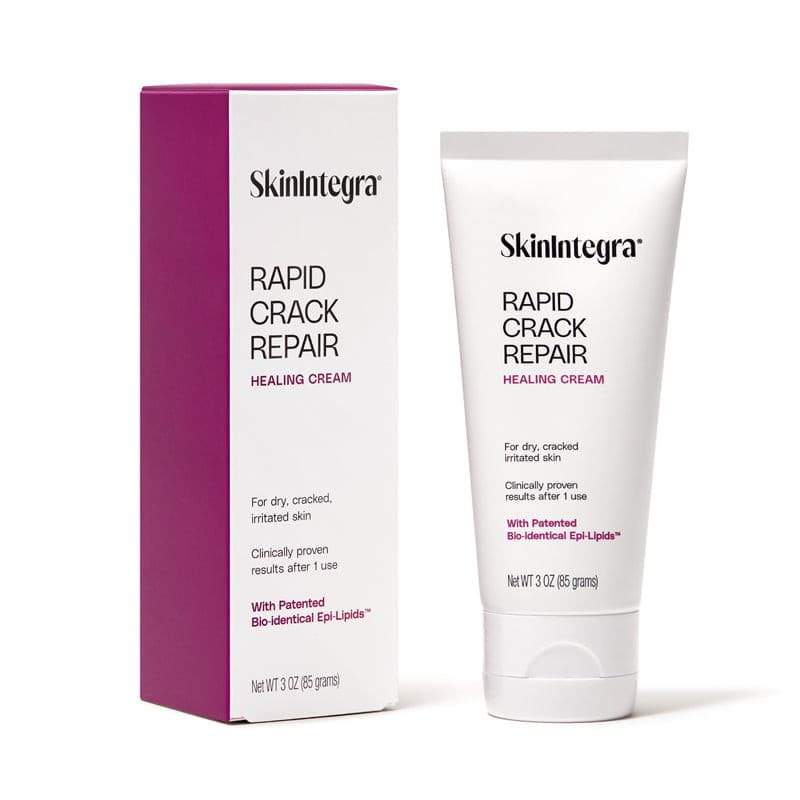
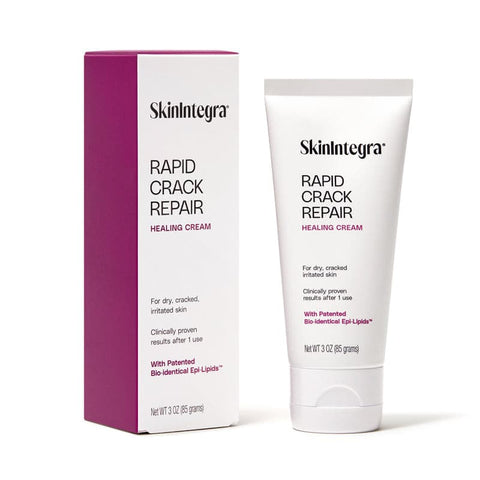
SkinIntegra Rapid Crack Repair Cream was developed specifically to address the barrier deficiencies that diabetes creates — not adapted from a general skincare base. Its patented formula uses a skin-mimicking composition that replenishes the lipids, natural moisturizing factors, and structural components missing from diabetic skin, in ratios engineered to mirror healthy skin. This is what distinguishes it from standard urea creams: it does not just hydrate the surface — it actively rebuilds the barrier.
The formula combines 25% urea and lactic acid with ceramides, essential fatty acids, hyaluronic acid, and natural oils. In an independent double-blind clinical trial, it outperformed a leading 40% urea cream in both speed of improvement and tolerability — participants showed measurable improvement in dryness and cracking with less irritation than the higher-concentration product. It carries the APMA Seal of Approval and is used post-debridement by podiatrists across the U.S.
For people with diabetes using it for nighttime itching: apply after washing and thoroughly drying the feet, while skin is still slightly damp to seal in hydration. Consistency is as important as the formula — a single application will not restore a depleted barrier. Daily use rebuilds and maintains the structural protection that prevents dry skin from progressing to cracks, fissures, and the infection risk they carry.
When to See a Doctor for Itchy Feet at Night
Most cases respond to home care and OTC treatment within 1–2 weeks. Seek medical advice if you experience:
-
Itching that persists beyond two weeks despite treatment
-
Open sores, blisters, or broken skin
-
Signs of infection: warmth, spreading redness, or discharge
-
Itching with no visible rash (possible neuropathy or systemic cause)
-
Fever or systemic symptoms alongside foot itching
-
You have diabetes — any persistent or unexplained foot itching should be evaluated by a podiatrist
For People with Diabetes: Even minor foot symptoms deserve professional evaluation. Nerve damage and poor circulation can mask serious problems until they become difficult to treat. Annual podiatry check-ups are recommended for all people with diabetes — and sooner if symptoms arise.
How to Prevent Itchy Feet at Night
-
Moisturize daily: Apply a barrier repair cream every evening after washing your feet. Consistency matters — a single application will not maintain skin health long-term.
-
Wash and dry carefully: Use lukewarm water and mild, fragrance-free soap. Dry thoroughly, especially between toes, to prevent fungal growth.
-
Wear breathable footwear: Choose leather or canvas shoes and moisture-wicking socks. Avoid synthetic materials that trap heat and moisture.
-
Change socks daily: Allow shoes to air out between wears. Rotate two pairs to ensure complete drying.
-
Avoid walking barefoot in public: Locker rooms, pool decks, and communal showers are prime environments for athlete’s foot fungus.
-
Manage blood sugar (for people with diabetes): Stable glucose levels slow the progression of peripheral neuropathy and improve the skin’s ability to retain moisture and heal. This is the single most impactful step for diabetic foot health.
-
Stay hydrated: Adequate water intake supports skin health from within. Aim for at least 8 cups per day.
Frequently Asked Questions
What does it mean when your feet itch only at night?
Feet that itch primarily at night are often reacting to heat from bedding, which raises skin temperature, increases blood flow, and activates nerve endings. Circadian changes in inflammation levels also play a role. The most common causes of nocturnal-only foot itching are dry skin, eczema, peripheral neuropathy, and fungal infections. If itching is strictly nocturnal with no visible skin change, neuropathy is a particularly important consideration.
Is itchy foot a symptom of something serious?
In most cases, itchy feet are caused by treatable conditions like dry skin or athlete’s foot. However, persistent itching — especially with no visible rash — can signal peripheral neuropathy, kidney disease, liver disease, or poorly controlled diabetes. If itching does not resolve with standard treatment within two weeks, see a healthcare provider for evaluation.
Are itchy feet a symptom of diabetes?
Yes. Itchy feet are a recognized symptom of diabetes, resulting from peripheral neuropathy (nerve damage that produces abnormal sensations), autonomic neuropathy (which reduces natural skin moisture), poor circulation, and higher susceptibility to fungal infections. Our full article on diabetes and itchy skin covers each of these mechanisms in detail. If you have diabetes and experience persistent foot itching, contact your podiatrist.
What vitamin deficiency causes itching at night?
Several nutritional deficiencies can contribute to nighttime itching. Vitamin D deficiency causes dry, irritated skin. Vitamin B12 deficiency can trigger nerve-related itching. Iron deficiency is associated with dry skin and poor circulation. Omega-3 fatty acid deficiency compromises the skin barrier, leading to chronic dryness and itch. For more detail, read our article on vitamin deficiencies linked to cracked heels and skin itching.
How do I make my feet stop itching immediately?
Apply a cool compress for 5–10 minutes, then apply a barrier repair cream or urea-based moisturizer. Avoid scratching, which worsens inflammation and can break skin. If itching is from athlete’s foot, apply an anti-fungal cream. For patients with diabetes: avoid soaking, avoid salicylic acid products, and contact a podiatrist if itching is severe, unexplained, or accompanied by numbness.
Related Articles
Diabetes and Itchy Skin: Understanding the Link and Finding Relief
Understanding Dry Diabetic Feet: Causes and Solutions
Epsom Salt Foot Soaks and Diabetes: Friend or Foe?
Treating Athlete’s Foot Safely: Urea + Antifungal Cream
Why Salicylic Acid Is Unsafe for Diabetic Skin


