


You’ve tried the creams. You’ve soaked your feet, used the pumice stone, kept up with moisturizing. The cracks keep coming back. At some point, most people start wondering whether the answer is somewhere deeper — in what they’re eating, or not eating. It’s a reasonable instinct. The skin barrier depends on a steady supply of specific nutrients to renew itself, and when those are depleted, no amount of topical care fully compensates.
This guide covers which vitamin and mineral deficiencies are most directly linked to cracked heels, how to recognize them, and what you can do about them. It also covers why nutritional support alone often isn’t enough — and what the skin barrier needs alongside it to actually repair. People with diabetes face additional challenges that are covered in a dedicated section below.

Why Do Heels Crack? Common Causes
Cracked heels develop for a variety of reasons:
-
Dry skin and dehydration – low humidity, hot baths and harsh soaps strip away natural oils; as the skin loses moisture it becomes brittle and splits.
-
Mechanical stress – standing or walking for long periods, carrying extra weight or wearing ill‑fitting shoes increases pressure on the heel pad. Repeated stress causes thickened skin to expand and crack.
-
Prolonged barefoot walking – going barefoot on hard surfaces exposes the skin to friction and pressure.
-
Fungal and skin conditions – athlete’s foot, eczema and psoriasis produce dry, scaly patches that are prone to fissures.
-
Underlying health issues – hypothyroidism, kidney disease and anorexia can impair skin healing; bone spurs or plantar fascia problems may alter weight distribution and increase pressure.
-
Diabetes – high blood sugar can damage nerves and reduce circulation. Reduced sensation makes it harder to notice wounds; decreased oil production dries out the skin, and slower blood flow delays healing.

Appropriate foot care, moisturizing and cushioning are essential, but nutrition plays an important role in maintaining the integrity of the skin barrier. People with diabetes face additional challenges because nerve damage and poor circulation make their skin drier, slow to heal and more prone to infection.
How Vitamins and Minerals Affect Your Heels
Skin is the body’s largest organ and requires a steady supply of vitamins, minerals and essential fats to renew itself. If your diet lacks key nutrients, the skin’s barrier weakens, collagen synthesis slows and healing is impaired. The following nutrients are especially important for foot health:
|
Nutrient |
Role in skin health |
Deficiency signs |
Best dietary sources |
|
Vitamin B3 (niacin) |
Converts food to energy and supports healthy skin and nerves. |
Pellagra causes dry, flaky skin; severe deficiency is rare but possible with malnutrition. |
Brewer’s yeast, salmon, peanuts, brown rice. |
|
Vitamin C |
Essential for collagen synthesis and acts as an antioxidant. |
Slow wound healing, rough or bumpy skin. |
Citrus fruits, strawberries, bell peppers. |
|
Vitamin E |
Protects cell membranes and helps maintain the skin’s moisture barrier. |
Dry, rough or inflamed skin. |
Almonds, sunflower seeds, spinach. |
|
Vitamin A |
Regulates cell growth and promotes skin turnover. |
Dry, scaly patches; night blindness. |
Carrots, sweet potatoes, kale. |
|
Vitamin D |
Plays a role in skin repair and immune modulation. |
Dry skin, muscle weakness, slow healing. |
Fortified dairy, fatty fish, sunlight. |
|
Zinc |
Critical for wound healing and collagen formation. |
Slow wound healing, dermatitis, hair loss. |
Oysters, beef, pumpkin seeds. |
|
Iron |
Needed to deliver oxygen to cells. |
Fatigue, brittle nails, pale skin, slow healing. |
Lean meat, beans, spinach. |
|
Omega‑3 fatty acids |
Reduce inflammation and maintain the skin’s lipid barrier. |
Dry, rough skin and brittle nails. |
Fatty fish, flaxseed, walnuts. |
Note: Severe vitamin deficiencies such as pellagra or scurvy are uncommon in developed countries thanks to fortified foods and varied diets. However, marginal deficiencies may occur due to restrictive eating patterns, malabsorption disorders, chronic illness or poor food choices. Excessive supplementation can be harmful; consult your doctor before starting any supplement.
Special Considerations for People With Diabetes
High blood sugar levels can damage nerves (neuropathy) and reduce blood flow to the extremities. This leads to several complications that make cracked heels harder to manage:
-
Dryer skin: Nerve damage may prevent sweat glands from releasing sweat, depriving the feet of natural moisture. Without sweat and oil, the heel skin becomes dry and more prone to fissures. Why diabetic feet stay dry even with moisturizer explains the full mechanism behind this.
-
Reduced sensation: Loss of feeling means minor cuts or cracks can go unnoticed. Unnoticed fissures may deepen and become infected. For a more detailed explanation of how nerve damage specifically causes cracked, dry diabetic skin and raises the risk of serious infection, see our article on neuropathy and cracked heels: the hidden danger.
-
Slower healing: Poor circulation means fewer nutrients and immune cells reach the skin. Even small cracks may take longer to heal, increasing the risk of infection.
-
Nutritional challenges: People with diabetes often follow special diets and may experience poor absorption of nutrients. They also have higher rates of kidney disease, which can impact vitamin D and iron levels. Ensuring adequate intake of the nutrients listed above is crucial for skin repair.
For diabetic patients, preventing cracked heels requires a dual strategy: controlling blood sugar levels through balanced meals and medication, and prioritizing foot care. Check your feet daily for cuts, blisters or changes; moisturize after washing; avoid very hot water and harsh soaps; wear supportive shoes and cotton socks; and seek medical attention if cracks are deep or infected. Regular podiatry visits are recommended to catch issues early.
Nutrition Strategies to Prevent Cracked Heels
A nutrient‑rich diet supports skin regeneration and helps prevent fissures. Try these strategies:
-
Balance your plate: Eat a variety of colorful fruits and vegetables, lean proteins, whole grains and healthy fats. This ensures an adequate intake of vitamins B, C, E, A and D, plus minerals like zinc and iron. Limit refined sugars and ultra‑processed foods.
-
Increase omega‑3 intake: Boost anti‑inflammatory omega‑3 fats by eating two servings of fatty fish per week or incorporating flaxseed and walnuts. Discuss supplements with a healthcare provider if necessary.
-
Stay hydrated: Drink water consistently to support skin moisture. Eating water‑rich fruits and vegetables (cucumber, melon) also helps.
-
Don’t forget minerals: Vegetarians, vegans and people with digestive disorders should include a variety of protein sources and whole grains to obtain zinc and iron. If you have heavy menstrual cycles or a history of anaemia, ask your doctor about iron tests.
People with diabetes should coordinate nutrition plans with a dietitian to maintain blood sugar control while meeting micronutrient needs. Adequate fibre, lean protein and healthy fats help stabilise glucose levels and support skin healing.
When Diet Alone Isn’t Enough: Repairing the Skin Barrier
Addressing nutritional deficiencies supports the skin from the inside. But the skin barrier also needs to be repaired from the outside — and that requires more than a standard moisturizer. Standard creams hydrate the surface but don’t replace the natural oils the skin barrier needs to hold that moisture in and maintain itself. When the barrier’s lipid structure is depleted — whether through nutritional gaps, diabetes, aging, or chronic dryness — the cracking cycle continues regardless of how consistently a standard cream is applied.

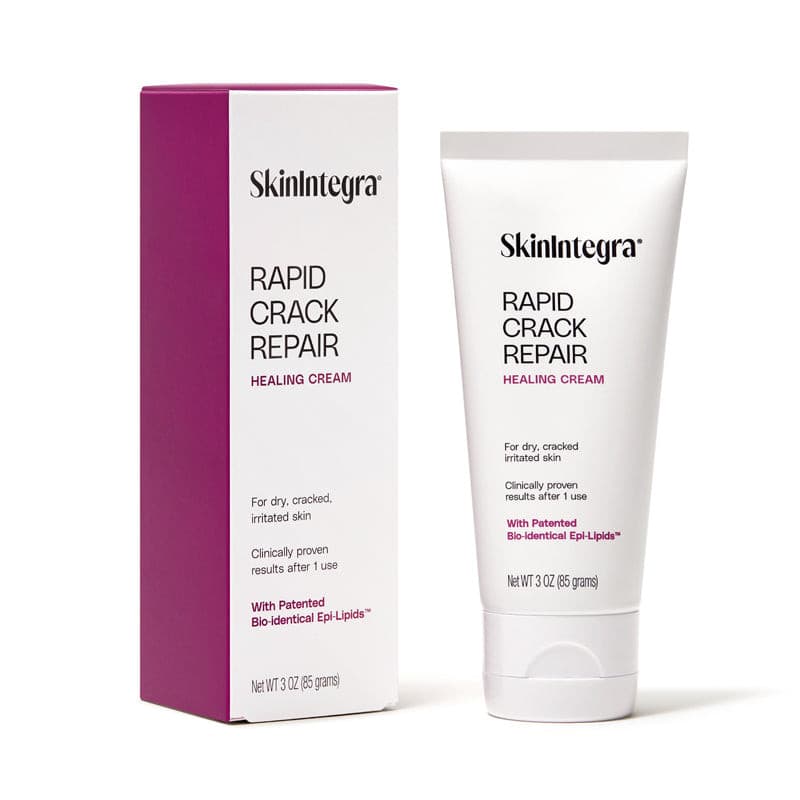
SkinIntegra Rapid Crack Repair Cream was developed to address that deficit at the barrier level. The formula works on two levels:
-
Bio Identical Oils restores the skin barrier’s natural oils — a patented blend of five whole plant oils, including Sacha Inchi and Sea Buckthorn, matched to the composition of healthy skin to replenish the lipids that nutritional depletion, diabetes, and chronic dryness strip from the stratum corneum. A restored lipid barrier holds moisture, stays supple, and stops the cracking cycle rather than temporarily managing it.
-
25% urea and lactic acid work at the skin surface — softening and lifting the thickened, callused skin on heels and soles, replenishing the natural moisturizing factors that depleted skin can no longer maintain on its own, and preparing the barrier to retain the moisture that nutritional support helps the body deliver.
Fragrance-free, paraben-free, alcohol-free, and hypoallergenic — safe for daily use on sensitive, diabetic, or compromised skin.
The clinical evidence:
-
In an independent clinical study, Rapid Crack Repair delivered significantly faster improvement in dryness and cracking than high-strength Urea-40, assessed by blinded podiatrist investigators at two and four weeks, with less irritation.
-
In a separate clinical trial conducted exclusively with people with diabetes, 100% of participants showed measurable skin improvement within 24 hours.
SkinIntegra holds the APMA Seal of Acceptance from the American Podiatric Medical Association. Apply twice daily to clean heels, ideally after washing while skin is still slightly damp. For people with diabetes, consult your healthcare provider before using new products on your feet.
Foot-Care Tips to Complement Nutrition
-
Moisturize daily: Apply a rich, fragrance-free foot cream after bathing and before bed. Look for products containing urea or ammonium lactate to soften calluses. People with diabetes should choose gentle, non-irritating formulas and avoid creams between the toes to reduce fungal risk.
-
Exfoliate carefully: Light exfoliation helps remove hard skin and allows moisturizer to penetrate better, but people with diabetes must exercise extra caution. Do not soak your feet or use a pumice stone or foot file without first consulting a podiatrist. For others, a short soak in lukewarm water followed by gentle use of a pumice stone on thickened areas may be helpful. Avoid aggressive scrubbing, which can cause micro-tears.
-
Protect your heels: Wear supportive shoes with closed heels and cushioned insoles; avoid flip-flops and high heels. Cotton socks can help lock in moisture and reduce friction; people with diabetes should inspect shoes and socks for seams or debris before wearing them.
-
Check your feet: If you have diabetes, inspect your feet daily for cracks, cuts or changes in skin color. Seek medical advice promptly if you notice signs of infection or slow healing. Learn more about best practices for preventing foot ulcers.
-
See a podiatrist: For stubborn cracks or if you’re unable to care for your feet properly, consult a podiatrist. They can provide debridement, prescribe stronger softening agents and screen for circulation issues.

Frequently Asked Questions
Which vitamin deficiency causes cracked heels?
Cracked heels may stem from several deficiencies rather than a single culprit. Niacin (vitamin B3) deficiency can cause dry, flaky skin on the heels. Inadequate intakes of vitamins A, C and E can weaken the skin’s barrier, slow collagen production and reduce antioxidant protection. Zinc and iron deficiencies impair skin repair, while omega-3 fatty-acid deficiency depletes the skin’s lipid layer. Even mild deficits can make the heel’s thick skin more susceptible to fissures.
What am I lacking if my heels are cracked?
If your heels are chronically dry and fissured despite good foot care, you may be lacking one or more nutrients – commonly niacin, vitamin C, vitamin E, vitamin A, vitamin D, zinc, iron or essential fatty acids. However, cracked heels also arise from mechanical stress, poor footwear, fungal infections or underlying conditions such as diabetes. Consult your doctor for blood tests and personalized advice.
Can low iron or zinc cause cracked heels?
Yes. Zinc is essential for wound healing and collagen formation; low levels slow the repair of fissures. Iron delivers oxygen to skin cells; chronic deficiency leaves skin pale and slow to heal. Vegetarians, vegans, pregnant people and those with digestive disorders may be at higher risk.
Do omega-3 fatty acids help cracked heels?
Omega-3 fats are anti-inflammatory and help maintain the skin’s moisture barrier. Insufficient intake can leave the skin dry and prone to cracking. Including fatty fish, flaxseed or chia seeds in your diet – or taking a supplement under medical supervision – may support smoother heels.
Is zinc oxide good for cracked heels?
Topical zinc oxide, commonly found in diaper rash creams, forms a protective barrier that shields the skin from moisture loss and irritation. It also has mild anti-inflammatory and antibacterial properties. Applying a cream containing zinc oxide can soothe irritated, cracked heels and aid healing, but persistent or infected fissures require professional care.
Are extremely dry feet always a sign of vitamin deficiency?
Not always. Extremely dry feet can result from environmental factors (cold weather, hot showers, harsh soaps), mechanical stress, genetics or conditions like eczema or hypothyroidism. Vitamin and mineral deficiencies may contribute – particularly low levels of vitamin D, vitamin A, niacin, zinc or iron – but many cases are lifestyle-related. Address both nutrition and foot care habits for best results.
Takeaway
Cracked heels often result from a combination of factors – environmental dryness, mechanical stress, underlying health conditions and nutritional gaps. Ensuring adequate intake of vitamin B3, vitamin C, vitamin E, vitamin A, vitamin D, zinc, iron and omega-3 fats supports skin regeneration and reduces the risk of fissures. People with diabetes need to pay particular attention to foot care and nutrition: control blood sugar, inspect feet daily, moisturise and seek prompt medical care for cracks or infections. Pairing a nutrient-rich diet with proper foot hygiene, protective footwear and targeted


