




In This Article:
• Why diabetes causes itchy skin — the three mechanisms behind it
• Early warning signs: is your skin telling you something?
• What does diabetic itchy skin look like?
• The itch-scratch danger cycle
• Does diabetic itching go away?
• What's safe to use — and what isn't
• How to treat diabetic itchy skin safely
• When to see a doctor
• FAQ
Itchy skin — particularly on the lower legs, hands, and feet — is one of the earliest and most commonly overlooked signs of diabetes. Many people do not connect itchiness with blood sugar at all, yet the American Diabetes Association identifies it as a key warning symptom that can prompt a necessary check-up. If you have unexplained itchy skin and have not been tested for diabetes, that is worth discussing with your doctor.
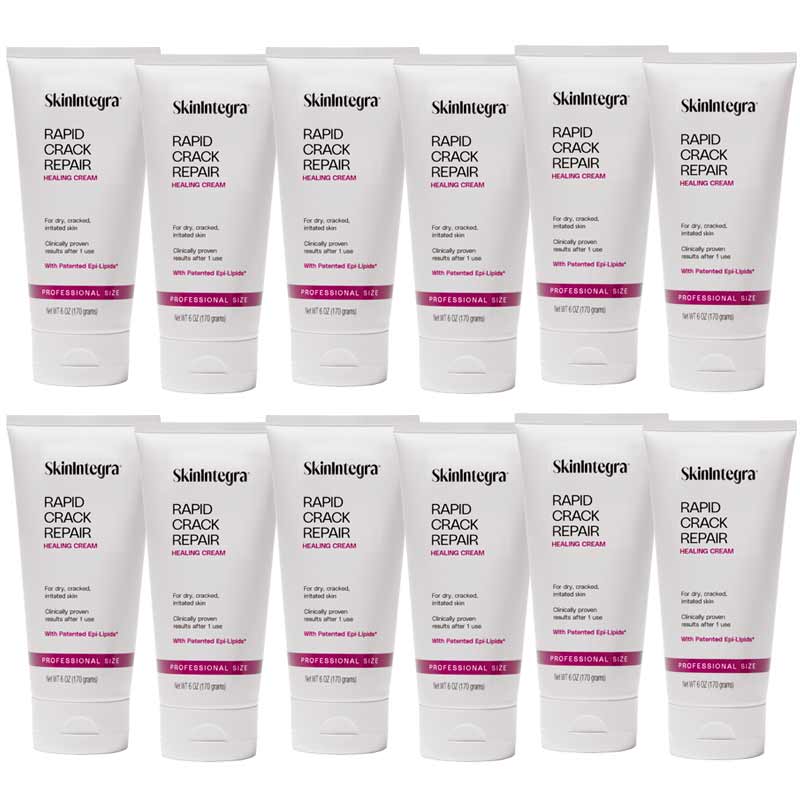
For people already diagnosed, persistent itching signals that high blood sugar is actively affecting the skin barrier — and that scratching carries risks most general advice does not address. This guide explains what is causing it, what it looks like, whether it goes away, and which treatments are safe for diabetic skin. If you are already looking for a solution, SkinIntegra Rapid Crack Repair Cream was specifically formulated for diabetic skin barrier repair and is clinically proven to help relieve dry, itchy skin within 24 hours.
Why Diabetes Causes Itchy Skin
Three mechanisms are at work. First, high blood glucose breaks down the barrier that keeps moisture in and irritants out. Second, autonomic neuropathy (nerve damage to sweat glands) reduces the skin's ability to hydrate itself, producing chronic dryness that topical lotion alone can't fix. Third, peripheral neuropathy can generate burning, tingling, and intense itch even when the skin looks normal — this type does not respond to creams alone and warrants a conversation with your doctor.
Early Warning Signs: Is Your Skin Telling You Something?
Skin changes are often among the earliest visible signs of diabetes or poorly controlled blood sugar — sometimes appearing before a formal diagnosis. The following skin symptoms, especially when they appear together or don't resolve with basic moisturizing, are worth discussing with your doctor:
-
Persistent itching on the lower legs or feet: without an obvious cause such as a rash or athlete's foot
-
Skin that feels unusually dry despite regular moisturising: — a sign the barrier is compromised rather than simply dehydrated
-
Itching that worsens at night: — common in both dry skin and neuropathic itch
-
Slow-healing scratches or small cuts: — impaired healing is a hallmark of diabetic skin
-
Recurring fungal infections: such as athlete's foot or skin fold infections, which thrive in high-glucose environments
-
Darkened, thickened skin in body folds: (neck, armpits, groin) — known as acanthosis nigricans, often an early marker of insulin resistance
If you're already diagnosed with diabetes and these symptoms are worsening, it may indicate that blood sugar control needs attention. Itching that intensifies alongside other symptoms — increased thirst, fatigue, or slow wound healing — warrants a conversation with your healthcare provider.
What Does Diabetic Itchy Skin Look Like?

The most common presentation is generalized dry, flaky skin on the lower legs and feet — dull, rough, and prone to fine cracking. On darker skin tones it may appear greyish or ashy. Diabetic dermopathy appears as light brown, slightly scaly oval patches on the shins (often called "shin spots"), present in up to 50% of people with long-standing diabetes. In skin folds — groin, armpits, under the breasts, between the toes — bright red itchy patches are often candida (yeast) infections, which thrive in high-glucose environments and need anti-fungal treatment, not moisturizer. In neuropathic itch, the skin may look almost normal despite intense burning or itching.
Does Diabetic Itching Go Away?
Itching driven by barrier dysfunction can improve significantly — often within 2–4 weeks — with consistent barrier-repair treatment and better blood sugar management. Neuropathic itch is more persistent and usually requires medical management alongside topical care. Fungal infections won't resolve with moisturizer alone; treat the infection first.
Without blood sugar control, itching tends to worsen over time regardless of what you apply. The itch-scratch cycle is also worth breaking early: in diabetic skin, scratching creates entry points for bacteria that heal slowly and can escalate to infection. Keep nails short, apply barrier cream before bed, and use a cool compress rather than scratching to relieve acute itch.
What's Safe to Use — and What Isn't
This is where most general advice fails diabetic patients. Standard recommendations for itchy skin often include ingredients and products that are inappropriate — or actively harmful — for skin with compromised barrier function and impaired healing.
Avoid These on Diabetic Skin
-
Hydrocortisone creams (long-term): — short-term use can reduce inflammation but prolonged use thins the skin, which is already vulnerable in diabetics. Use only under medical guidance.
-
Fragranced lotions and creams: — fragrance is one of the most common contact allergens and will worsen barrier breakdown. Check the ingredient list, not just the label.
-
Alcohol-based products: — including many hand sanitizers and some toners. Alcohol strips the barrier and accelerates moisture loss.
-
Exfoliants and scrubs: — the skin does not need physical exfoliation; it needs barrier repair. Scrubbing damaged skin causes micro-tears.
-
Hot water: — hot showers and foot soaks strip natural skin oils rapidly. Lukewarm water only.
-
Epsom salt soaks: — despite being widely recommended, Epsom salt soaks are drying and carry infection risk for diabetic feet. See our detailed guide: Epsom Salt Foot Soaks and Diabetes
-
Salicylic acid products: — commonly found in callus removers and corn treatments. Contraindicated for diabetic skin. See: Why salicylic acid is unsafe for diabetic callus treatment
SkinIntegra Rapid Crack Repair Cream for Diabetic Itchy Skin

Most moisturizers marketed for diabetic skin are general products with a diabetes-friendly label. SkinIntegra was built differently — starting from the specific deficiencies diabetes creates in the skin barrier, then formulating to replace exactly what is missing.
Diabetes depletes two categories of skin repair materials: the structural lipids that form the barrier matrix and the natural moisturizing factors the skin produces to hold water. The patented formula replenishes both, with each ingredient selected for what diabetic skin is actually missing:
-
25% urea and lactic acid: — replenish the natural moisturizing factors depleted by diabetes, drawing deep moisture into dry skin and gently softening thickened areas without physical abrasion or irritation
-
Ceramides, essential fatty acids, and cholesterol: — restore the complete structural lipid matrix that high blood sugar breaks down, sealing the barrier so moisture stays in and irritants stay out
-
Hyaluronic acid: — provides lasting deep hydration that supports the barrier from beneath, reducing the chronic dryness that drives the itch cycle
-
Fragrance-free, dye-free, paraben-free, petroleum-free: — formulated without the common irritants that worsen already-compromised diabetic skin
In a double-blind clinical trial, SkinIntegra outperformed a leading urea-40% prescription cream on dryness and crack improvement, with significantly less irritation. In a separate study, 100% of participants reported soothing relief within 24 hours. SkinIntegra carries the APMA Seal of Approval and is recommended by podiatrists for daily diabetic skin care.
Apply twice daily while the skin is slightly damp. Apply generously to legs and feet before bed. Do not apply between the toes.
Shop SkinIntegra Rapid Crack Repair Cream
How to Treat Diabetic Itchy Skin: Daily Routine
Cleanse with lukewarm water and a fragrance-free, soap-free cleanser — pat dry, never rub, paying particular attention to skin folds and between the toes. Apply barrier cream while skin is still slightly damp, focusing on lower legs and feet. At night, apply a generous layer before bed and cover with cotton socks — this is when the barrier repair ingredients absorb most effectively and when the itch-scratch cycle does the most damage.
Check skin daily using a mirror for any new cracks, redness, swelling, or areas of warmth. Early detection prevents small problems becoming serious ones. See: Caring for dry feet in early diabetes
Topical care alone is not enough — consistently elevated blood sugar continues to deplete the skin barrier regardless of what you apply. Blood sugar management and barrier repair work together.
When to See a Doctor
Seek medical attention promptly if you notice:
-
Redness, warmth, or swelling spreading beyond an itchy or scratched area
-
Any open wound, crack, or sore on the feet or lower legs that isn't improving within a few days
-
Pus, discharge, or increasing pain around a skin break
-
Fever alongside skin symptoms
-
Itching that is severe, affecting sleep, or not responding to barrier repair after 2–3 weeks
-
Any new dark or discolored patch that appears suddenly
People with diabetes should have a lower threshold for seeking medical advice about skin symptoms than the general population. What resolves on its own in healthy skin can progress to serious infection in diabetic skin, particularly on the feet and lower legs. When in doubt, get it checked.
For diabetic foot concerns specifically, a podiatrist with experience in diabetic foot care is the most appropriate specialist. See: Safe Pedicure for Diabetic Feet
Frequently Asked Questions
What stops diabetic itching?
A combination of consistent barrier-repair moisturizing (twice daily with a urea-based, fragrance-free cream), improved blood sugar control, and avoiding known irritants — fragranced products, hot water, and harsh soaps. For itching driven by neuropathy rather than dry skin, additional management from your doctor may be needed. Standard itch creams from the pharmacy often provide only temporary relief because they don't address the underlying barrier deficit.
Is itching at night a sign of diabetes?
It can be. Itching that worsens at night — particularly on the lower legs and feet — is a recognized pattern in both diabetic dry skin and diabetic peripheral neuropathy. It's not diagnostic on its own, but persistent unexplained nocturnal itching on the legs and feet, especially alongside other symptoms like increased thirst or slow wound healing, is worth discussing with your doctor.
What does diabetic itchy skin look like?
The most common presentation is generalized dry, flaky skin on the lower legs and feet — dull in appearance, rough to the touch, and prone to fine cracking. Diabetic dermopathy appears as small light brown scaly patches on the shins. Fungal infections in skin folds appear as bright red, moist, sharply bordered patches. In neuropathic itch, the skin may look almost normal despite intense itching.
Does diabetic itching go away?
Itching driven by dry skin and barrier dysfunction can improve significantly with consistent barrier-repair treatment and better blood sugar management — often within 2–4 weeks. Neuropathic itch is more persistent and typically requires a combination of topical care and medical management. Without addressing blood sugar control, itching tends to worsen progressively over time rather than resolving on its own.
What ointment can diabetics use for itchy skin?
Fragrance-free barrier-repair creams containing urea, ceramides, and essential fatty acids are the most appropriate choice — they address the barrier deficit driving the itch rather than just masking the symptom. Avoid fragranced lotions, alcohol-based products, and prolonged use of hydrocortisone creams, which thin the skin over time. For fungal infections, a separate anti-fungal treatment is needed first.
What part of the body itches with diabetes?
The lower legs and feet are most commonly affected, particularly in people with peripheral neuropathy or circulation issues. The skin fold areas — groin, underarms, under the breasts — are common sites for fungal infections that cause itching. Some people experience generalized itching across the whole body, particularly when blood sugar is poorly controlled. Itchy fingertips are also a recognized symptom — see our guide: Cracked, Itchy Fingertips and Diabetes


